
A forum is scheduled to discuss solutions.
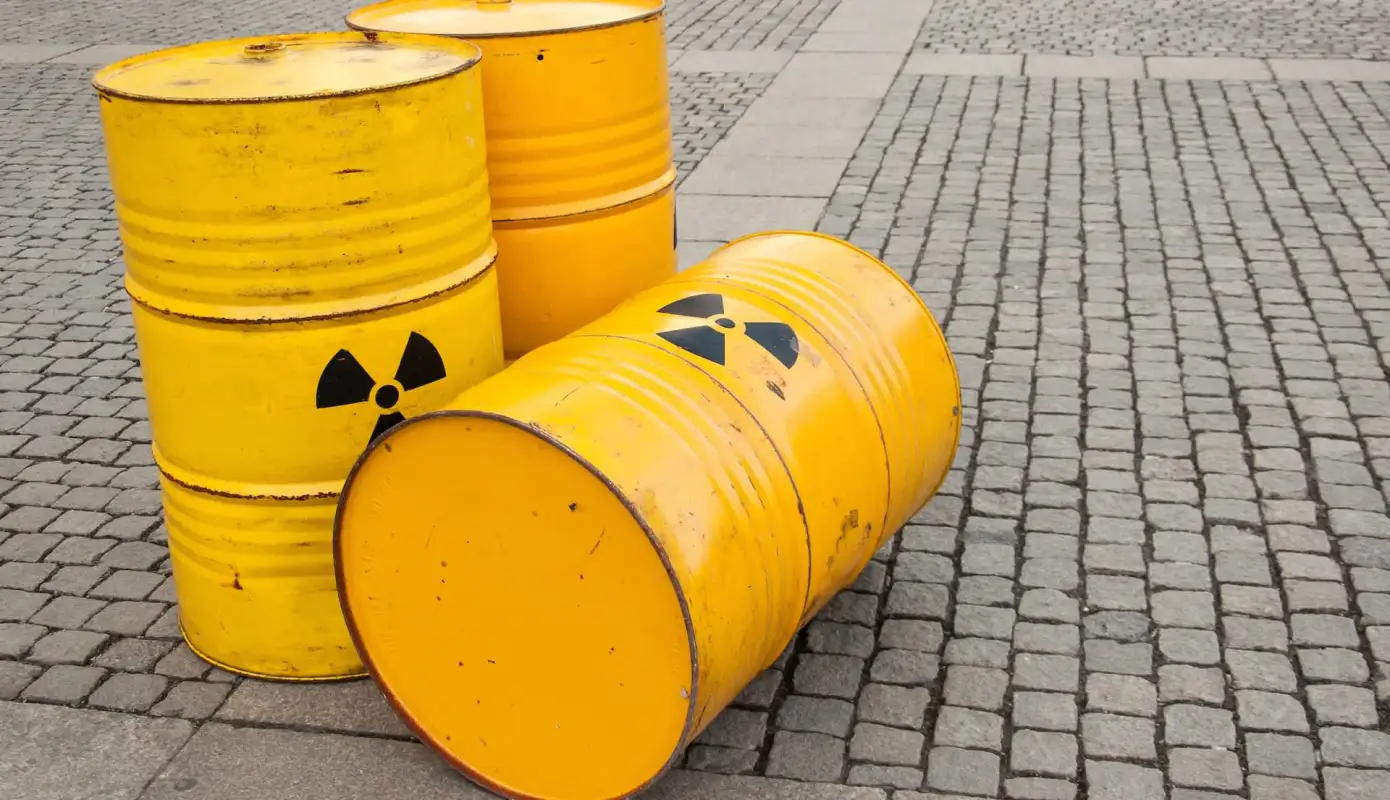
Kazakhstan has accumulated an estimated 200 million tons of radioactive waste, a staggering environmental legacy tied mainly to decades of uranium mining and military activity, according to reporting from The Times of Central Asia.
What’s happening?
According to the 2024 National Report on the State of the Environment and Natural Resource Use and more recent analysis, experts from the Central Asia Climate Foundation found that the waste includes contaminated soil, tailings, and other byproducts that can release harmful radiation and toxic chemicals into ecosystems and nearby communities.
Kazakhstan is one of the world’s largest uranium producers, with at least six major mining regions and numerous smaller deposits, according to the CACF. Over time, uranium extraction and processing have generated vast amounts of radioactive material that can remain hazardous for thousands of years. Soil contamination is especially concerning, as it can seep into groundwater, disrupt agriculture, and expose people to long-term health risks.
Military activity has compounded the problem, per the news report. Four former military test sites and the Baikonur Cosmodrome, one of the world’s largest space launch facilities, have left more than 23 million acres exposed to toxic rocket-fuel byproducts and fallout from space-debris impact zones. Elevated levels of radioactive isotopes and heavy metals have been detected in surrounding areas.
Oil pollution adds another layer of damage. Spills and petroleum contamination have affected nearly 500,000 acres of land, with some sites exceeding safe pollution levels by more than a thousand times.
Kazakhstan also faces more than 31 billion tons of total industrial waste from mining and other activities, per The Times of Central Asia. Heavy metals such as lead, copper, zinc, cadmium, and nickel are widespread, particularly near industrial centers and agricultural regions such as the Syr Darya River plains, where contamination threatens ecosystems and food production.
Why does radioactive and industrial pollution matter?
Radioactive waste can contaminate soil, air, and drinking water, increasing the risk of cancer, congenital disabilities, and chronic illnesses. Industrial pollutants are also dangerous: heavy metals do not break down naturally and can accumulate in the body, contributing to developmental disorders, kidney disease, and heart problems.
Petroleum pollution can suffocate plant life, poison wildlife, and render land unusable for decades, often requiring costly cleanup efforts. The risks are growing more urgent as Kazakhstan plans to expand nuclear power, including building multiple reactors and potentially using the former Semipalatinsk nuclear test site for radioactive waste storage, according to the news outlet.
While nuclear energy offers numerous benefits to society — such as generating 24/7, low-carbon electricity and supporting energy security — it comes with several drawbacks. Radioactive waste management, high costs and long construction times, and security risks are the main concerns, though more companies are developing solutions to reduce nuclear waste.
What is Kazakhstan doing to address pollution?
The Regional Ecological Summit, a UN-backed forum focused on Central Asia’s environmental challenges, is scheduled for late April to develop practical solutions.
Meanwhile, state-owned uranium producer NAC KazAtomProm is implementing a Radioactive Waste Management Program through 2030 to ensure safer storage, reduced waste generation, and improved oversight, according to Samruk Kazyna.
The International Atomic Energy Agency has also extended a regional uranium legacy cleanup plan through 2030, per The Times of Central Asia.
By – https://www.thecooldown.com/green-business/kazakhstan-radioactive-waste-uranium-mining-pollution/