
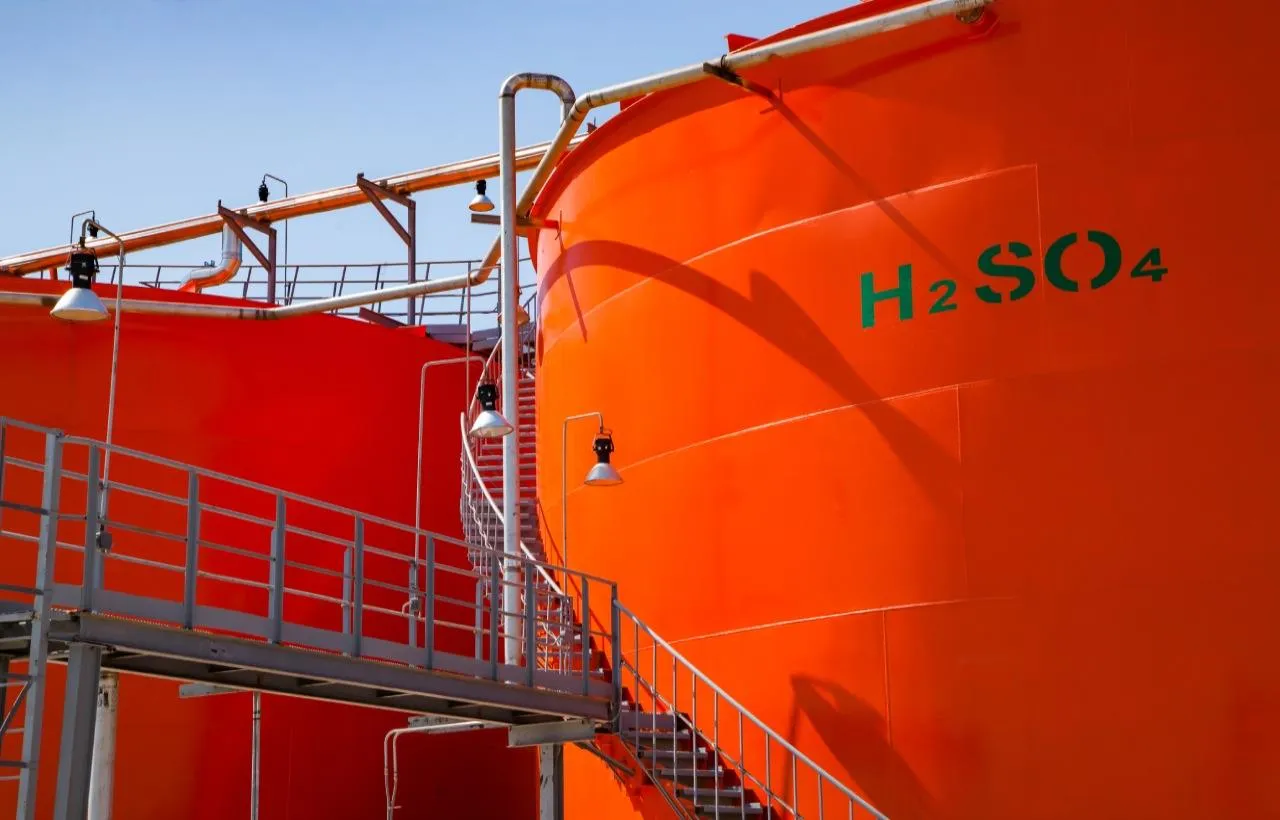
China’s sulphuric acid export ban is threatening to disrupt copper, nickel and silver mining operations facing supply chain and logistics pressures
Mining operations worldwide are bracing for significant disruption as China’s sulphuric acid export ban from May threatens to severely constrain production at copper, nickel and silver mines already grappling with supply chain pressures from the Iran war and the Strait of Hormuz closure.
The ban targets sulphuric acid produced as a by-product of copper and zinc smelting in China, the world’s largest exporter of the chemical.
For mining operations, particularly those reliant on acid leaching processes, the decision could mean production slowdowns, higher input costs and scrambles for alternative suppliers at a time when Middle Eastern sulphur shipments are already curtailed by disrupted trade flows through Hormuz.
Copper operations face production constraints
Sulphuric acid is essential for leaching operations at copper mines, particularly in major producing countries such as Chile, the Democratic Republic of Congo and Zambia. Chile alone typically imports more than one million tonnes of Chinese sulphuric acid annually, leaving mining operations exposed to higher prices and potential shortages as the ban takes effect.
Syed Salman Shaffi, President at Gold Miners Club, says: “These events shift the burden from Chinese smelters to copper mines in Chile, mining operations in Congo and fertilizer blenders in India.”
As approximately one-third of global sulphur output comes from the Middle Eastern region, the loss of Chinese acid exports removes one of the last flexible supply valves for mining operations across the Americas, Africa and Asia. Any curbs on output at these mines would reverberate through downstream copper intensive sectors, including electrical equipment, construction and electric vehicles.
Major copper producers are already reporting concerns about maintaining output levels through the second half of 2026. Operations that have historically relied on Chinese acid supplies are now facing the prospect of paying premium prices for spot cargoes from alternative sources, with some estimates suggesting costs could rise by 40-60% compared to pre-ban pricing structures.
Nickel and silver mining under pressure
The impact extends beyond copper operations. Indonesian high pressure acid leach nickel projects that supply the global battery industry could face significant operational challenges, threatening production timelines and costs for facilities that have invested billions in capacity.
Sasa Jarvis, National Co-Leader of Mining and Partner at McMillan LLP, says: “If China is indeed curbing sulphuric acid exports, this could quietly reshape metals markets, particularly when sulphur from the Middle East is subject to severe shipping risks through the Strait of Hormuz.
“Acid leaching is required for much of global copper and nickel production – and impacts silver supply by extension given the amount of silver produced as a byproduct in copper mining. Copper and silver are each in short supply for current levels of demand already.”
The combination of constrained Chinese exports and Middle Eastern sulphur disruption creates a double squeeze that could force production cuts or delays at a time when metals demand remains robust.
Silver mining operations face particular vulnerability as approximately 70% of global silver production comes as a by-product of copper, lead and zinc mining. Any slowdown in primary copper production due to sulphuric acid shortages will inevitably constrain silver output, potentially creating supply deficits in industrial applications including solar panels and electronics manufacturing.
Mining operations seek alternatives
Mining companies may have no quick fix available. New sulphuric acid capacity and shipping routes take years, not months, to develop, forcing operations teams to consider immediate responses.
Syed says: “As the May 2026 deadline approaches, global buyers are likely to begin panic-buying, driving sulfuric acid and fertilizer prices even higher.”
Mining operations are already looking at building buffer stocks, locking in multi-year contracts with non-Chinese suppliers and co-investing in on-site acid production or closed-loop recycling where feasible.
Some operations may need to adjust production schedules or reduce output until alternative acid supplies can be secured.
Syed adds: “For industries reliant on sulfuric acid – including food production and electronics – the coming months will severely test supply chain resilience and could result in sustained price volatility.”
The decision by Beijing to keep the key industrial chemical at home shields its own farmers and industries from Middle East volatility but creates a crisis multiplier for mining operations worldwide. For metals producers, the ban represents less a temporary inconvenience than a structural stress test that could reshape operational planning and supply chain strategy for years to come.
By – https://miningdigital.com/news/chinas-sulphuric-acid-ban-impacts-mining-operations