

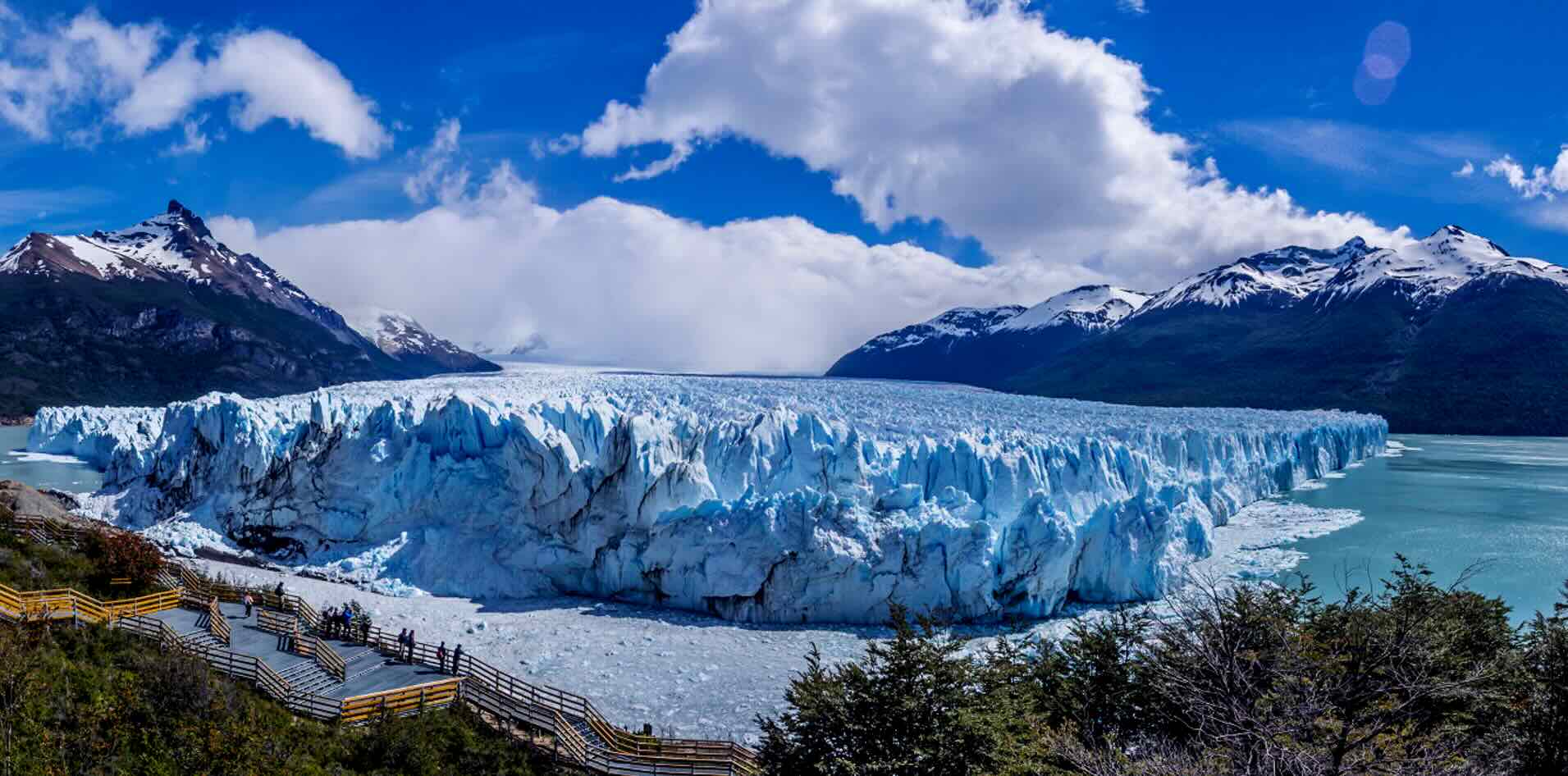
Specialists and assembly members warn about attempts to modify the environmental protection law for Argentina’s strategic water reserves, while denouncing systematic non-compliance and pressure from extractive corporations.
15 years after its final approval, the Glaciers Law (26.639) faces new challenges in a context of accelerated climate crisis and strong pressure from the mining sector to relax its environmental protections.
In a conversation with historical participants of this struggle, it was revealed that an advanced draft identical to the one leaked in 2017 exists, aiming to eliminate the protection of the periglacial environment, crucial for the water supply of mountain communities.
The law, approved in 2010 after a presidential veto in 2008, is considered unique in the world for its exclusive dedication to glacier protection. “It is a law of which we must be proud. Because it is unique in the world. It was the first law for the protection of glaciers,” highlighted Adostina Rosicera, biodiversity specialist at Greenpeace.
A law born from citizen struggle for environmental protection
The approval of the law represented a democratic milestone that crossed all political blocks. Enrique Viale, president of the Association of Environmental Lawyers, recalled: “It is one of the most democratic laws I remember. These are laws that involve hours and hours of debate in Congress.” The law was achieved thanks to “environmental organizations, assemblies, and communities, to the people,” according to Rosicera.
The legislative process was intense, with a tight victory in the Senate during a historic early morning. Viale remembered: “It was approved in the early hours, in the Senate. You didn’t know how it was going to end. It ended up winning by two votes.” The mining pressure, led by Barrick Gold, was constant from the beginning, even achieving a presidential veto in 2008.
Systematic non-compliance and inventory manipulation
One of the most critical points revealed is the systematic omission of glaciers smaller than one hectare in the National Glacier Inventory, despite the law explicitly protecting all ice bodies “regardless of their shape and/or size.” Saúl Sebayos, member of the Jáchal No Se Toca Assembly, denounced: “There are 1,400 glaciers registered that have disappeared from the inventory.”
This manipulation had direct consequences. According to Sebayos, “Judge Casanello, when he brought the case to trial, precisely for non-compliance with the glacier law, stated that in that province, referring to San Juan, everything was done wrong.”
The judicial investigation showed that since late 2013, crucial information could have been published, which was delayed until December 2015.
Mining projects in conflict with environmental protection
Participants identified at least 44 mining projects that would violate the law if applied correctly. Among them stand out Los Azules and Vicuña (which combines José María and Filo del Sol), the latter recently announced by Economy Minister Luis Caputo as a beneficiary of the RIGI.
Pía Marquejiani, Deputy Executive Director of FARN, warned about the regulatory context: “The RIGI has elements that are precisely the most problematic: one is the normative and legal shielding.” She added that there is “a decrease in any State capacity” and “the criminalization of protests.”