

Mining giants are watching hungrily as president targets the world-leading law keeping a tenth of planet’s ice masses safe
Javier Milei was in a reflective mood earlier this month. “Why did the Creator give us the planet?” mused Argentina’s president at the Córdoba stock exchange. “To contemplate it?” No, not that…
Milei’s government wants to modify a 2010 law – the first of its kind – that protects each of Argentina’s 16,968 glaciers (almost 10% of the global total) and periglacial zones. The change sailed through the senate on 26 February with 40 votes in favour and 31 against.
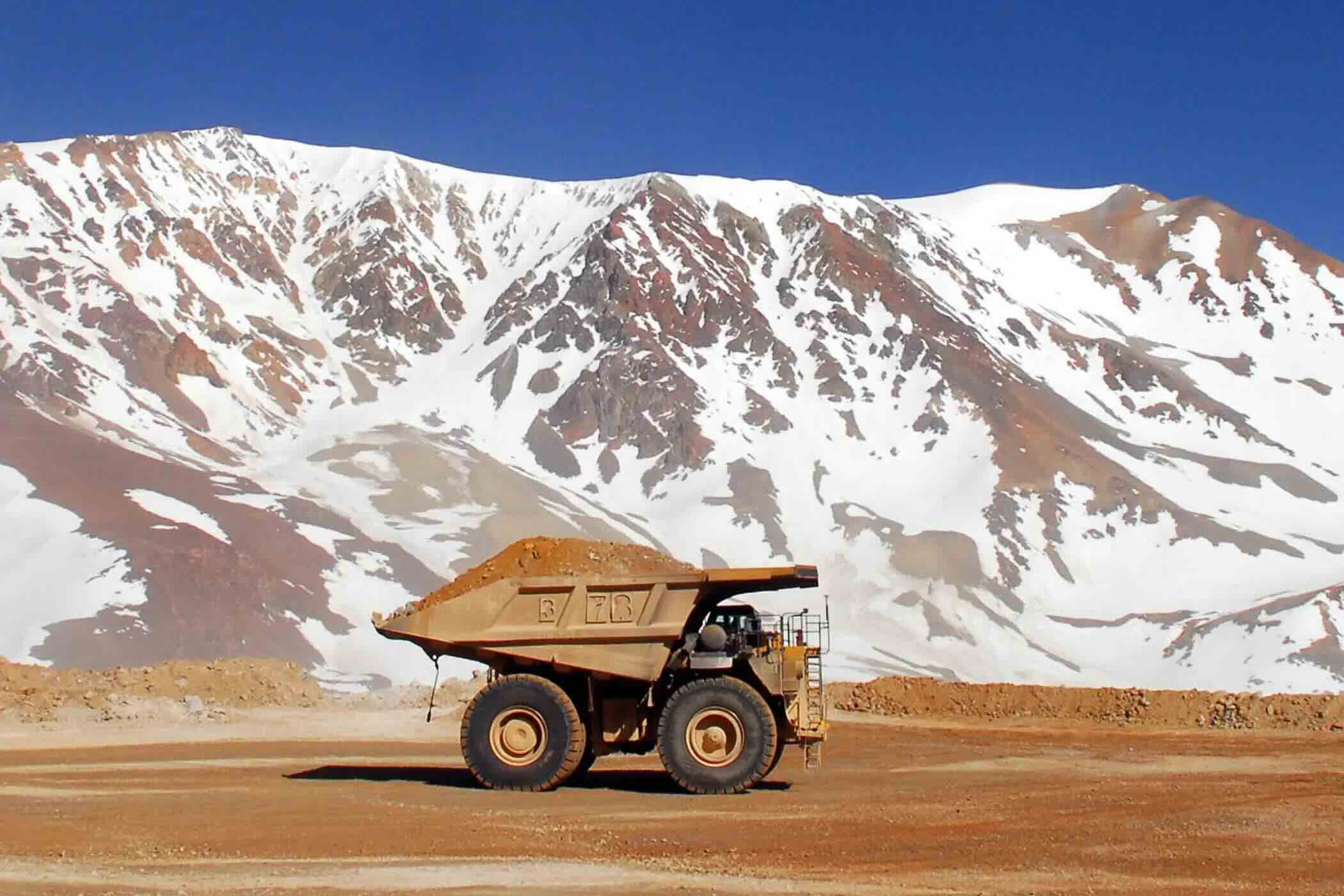
If it passes Congress next month, scientists will no longer determine which glaciers are “safe” and which are to struck off the national inventory and mined for copper, silver and gold. That decision will be in the hands of regional politicians – principally in Mendoza, renowned for its wine, and further north in San Juan, the spine of which is formed by the metal-rich Andes. Keen to shake those hands are mining giants BHP, Rio Tinto, Barrick, Shandong Gold and Glencore.
All have projects under way or in the works. Many of their bosses have visited Milei in recent months, grinning for pictures around the table where the president’s symbolic chainsaw glints (las fuerzas del cielo is written on its blade: forces of heaven).
“Once a glacier is destroyed, there’s no turning back,” said Enrique Viale, an environmental lawyer from Buenos Aires. “These glaciers give water, work and life to 7 million people. This is an invitation to destruction.”
Viale, the founder of an alliance for environmental lawyers, helped get the 2010 law passed. After dedicating 30 years to the protection of the environment, he is furious. And he is not alone.
More than 100,000 Argentinians signed up to debate the law change – the Escazú treaty, signed by 24 countries in Latin America and the Caribbean, grants citizens the right to participate in decision-making that concerns the environment. It would have been the world’s largest public audience. Last week, the government allowed 200 people to speak. Viale was among them, calling the process a “farce”: a public audience that wasn’t public and had no audience.
He sees the proposed change as part of a global far-right “packet” of loosened environmental protections (earlier this year, in a wildfire-blighted country, Milei chainsawed through a rule that protected forests from being torched and then sold on).
All this while the UN declares the world has entered an “era of global water bankruptcy”.
More than half of Argentina’s animal species live in areas fed by glaciers, which act like water tanks. They contain 70% of the country’s fresh water and release it throughout the year, from the Andes into surrounding areas, many of them arid. Campaigners say changing the glacier law threatens water security and runs the risk of pollution with uranium, cyanide, mercury, arsenic and lead – all used in mining or byproducts of it.
By – https://observer.co.uk/news/international/article/argentinas-mineral-rich-glaciers-on-menu-as-milei-seeks-to-melt-protections