

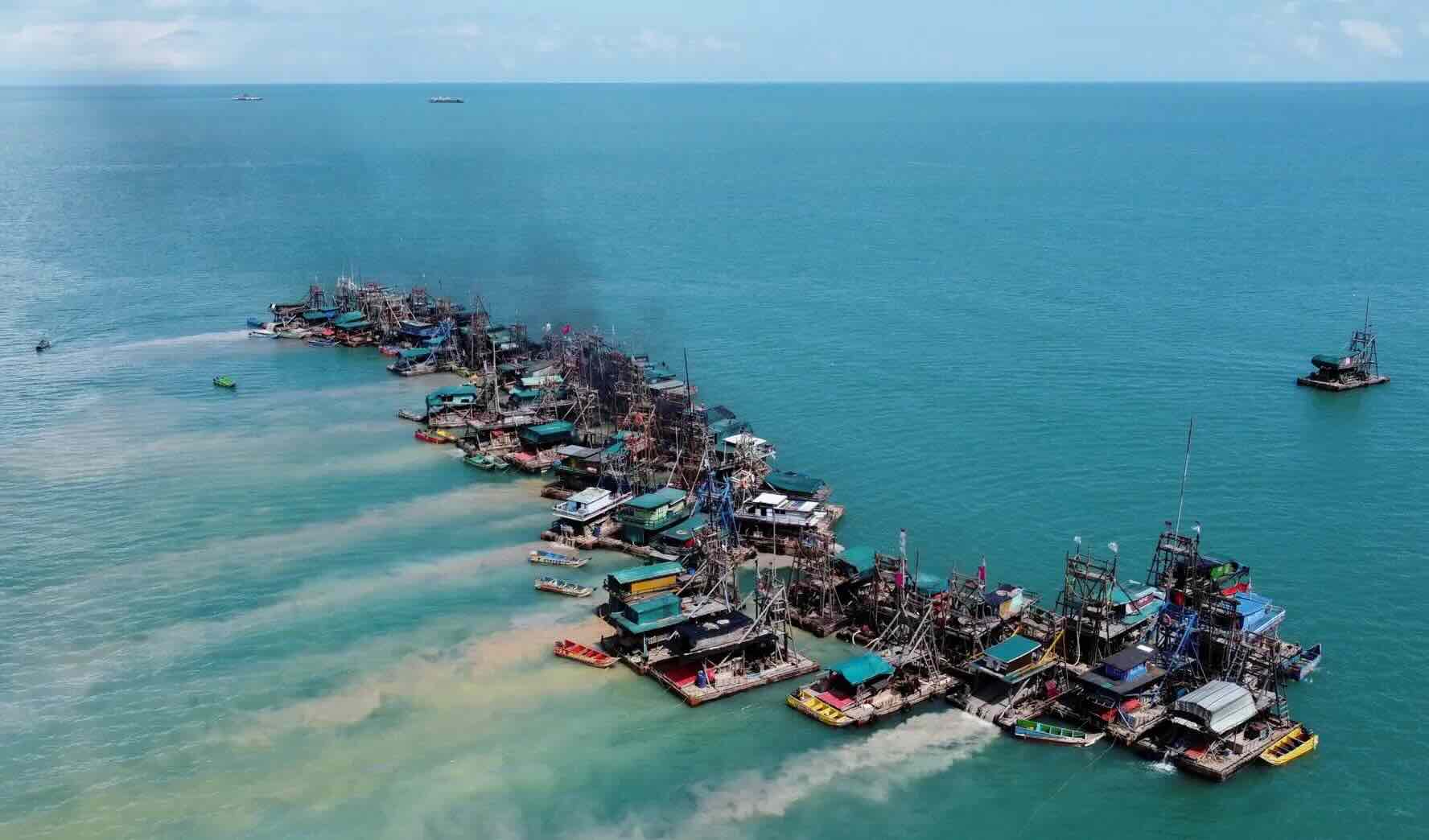
Seabed mining discussions among global leaders and environmental advocates continued this week in Geneva, as key issues concerning regulations and environmental protections remain unresolved. Organized by the International Seabed Authority (ISA), the talks emphasize the urgency of striking a balance between resource extraction and ecological sustainability. Stakeholders voiced concerns about the potential impact on marine ecosystems and the need for comprehensive policies.
As the world shifts towards a more resource-intensive economy, the focus on seabed mining as a potential solution is gaining momentum. The ongoing discussions in Geneva, attended by representatives from over 50 countries, NGOs, and industry leaders, aim to establish guidelines for responsible extraction practices while ensuring the protection of fragile marine ecosystems. Despite reaching some preliminary agreements, significant divisions remain among participating parties concerning environmental safeguards and profit-sharing mechanisms, leading to calls for stricter regulations.
The Stakes Involved
At the forefront of the seabed mining debate are critical minerals such as cobalt, nickel, and rare earth elements, pivotal for renewable energy technologies, electronics, and electric vehicles. These resources lie beneath the oceans in deep-sea nodules and deposits, capturing the interest of numerous stakeholders. With global demand surging, the need for responsible and sustainable extraction has never been more pressing. The ISA, established to regulate seabed mineral resources, faces increasing pressure to implement policies that secure environmental protections without stifling economic growth.
Environmental Concerns
One of the major sticking points during the Geneva talks was the concern that mining operations could lead to irreversible damage to marine ecosystems. Environmental groups highlighted data suggesting that deep-sea ecosystems, which have evolved over millions of years, could suffer severe destruction from mining activities. The detrimental impacts on biodiversity and the unknown effects of sediment plumes raised alarms among scientists and conservationists.
Representatives from various organizations presented research indicating that organisms in these ecosystems play a crucial role in carbon cycling and maintaining ocean health. They urged decision-makers to prioritize research and development on less invasive extraction technologies before implementing large-scale mining operations. “The ocean is not just a resource pool; it’s a complex ecosystem that we must protect for future generations,” said a spokesperson from the Ocean Conservation Society.
Economic Perspectives
On the opposite end of the spectrum, industry players emphasized the economic potential of seabed mining, arguing that the minerals extracted could fuel the green transition. Advocates for the sector claimed that responsible mining, with the right regulatory framework, could provide significant economic benefits to coastal nations struggling to adapt to climate change. Countries like Nauru and Papua New Guinea, rich in seabed resources, expressed strong support for advancing negotiations, asserting their right to develop these resources for national growth.
The difference in perspective led to a polarized debate in Geneva. While some countries called for immediate mining licenses to be issued, others urged a precautionary approach to adapt regulations that would prioritize both ecological and economic sustainability. “We cannot afford to ignore the potential of these resources, but we must approach this with foresight and responsibility,” noted a delegate from a Pacific island nation.
Aligning Interests
Faced with these divergent views, several stakeholders called for a systematic approach to align interests. Proposals included establishing a comprehensive framework to monitor the effects of mining on marine ecosystems, conducting baseline environmental assessments, and developing a collaborative governance model that includes both industry and environmental representation.
The ISA aims to utilize these negotiations to draft a set of recommendations that could lead to binding international agreements. However, achieving consensus among all involved parties remains a formidable challenge. The discussions highlighted the need for a clearer division of responsibilities regarding environmental oversight and the allocation of revenue generated from mining activities.
Future Prospects
The Geneva talks are a critical step toward defining the future of seabed mining, but with significant hurdles still to overcome, the path forward appears fraught with difficulty. As next steps include more negotiations slated for later this year, experts warn that the rapid advancement of technology and the escalating demand for minerals could outpace the establishment of effective regulations.
Adopting a cautious and methodical approach could ensure a sustainable mining practice that acknowledges the ocean’s role in broader environmental systems. Many participants in the Geneva talks underscored that it is essential to learn from past mining endeavors on land, where short-term economic gains often came at a severe environmental cost.
Conclusion
As the deadline for reaching an agreement looms, the focus on seabed mining will remain a contentious topic for governments, industry leaders, and environmental advocates alike. The stakes involve not only economic growth but also the imperative to protect the world’s oceans for future generations. With unresolved issues overshadowing the negotiations, stakeholders continue to emphasize the importance of dialogue and collaboration to prevent any premature exploitation of the deep sea. The outcomes of these discussions in Geneva may set a precedent that could define ocean governance in the years to come.
Efforts to balance economic aspirations with ecological responsibilities will be critical going forward, and the international community must rise to the challenge. Only time will tell if a consensus can be reached that satisfies both proponents of resource extraction and those championing marine conservation.
By – https://www.stl.news/discussions-on-seabed-mining-highlight-ongoing-key-issues/