

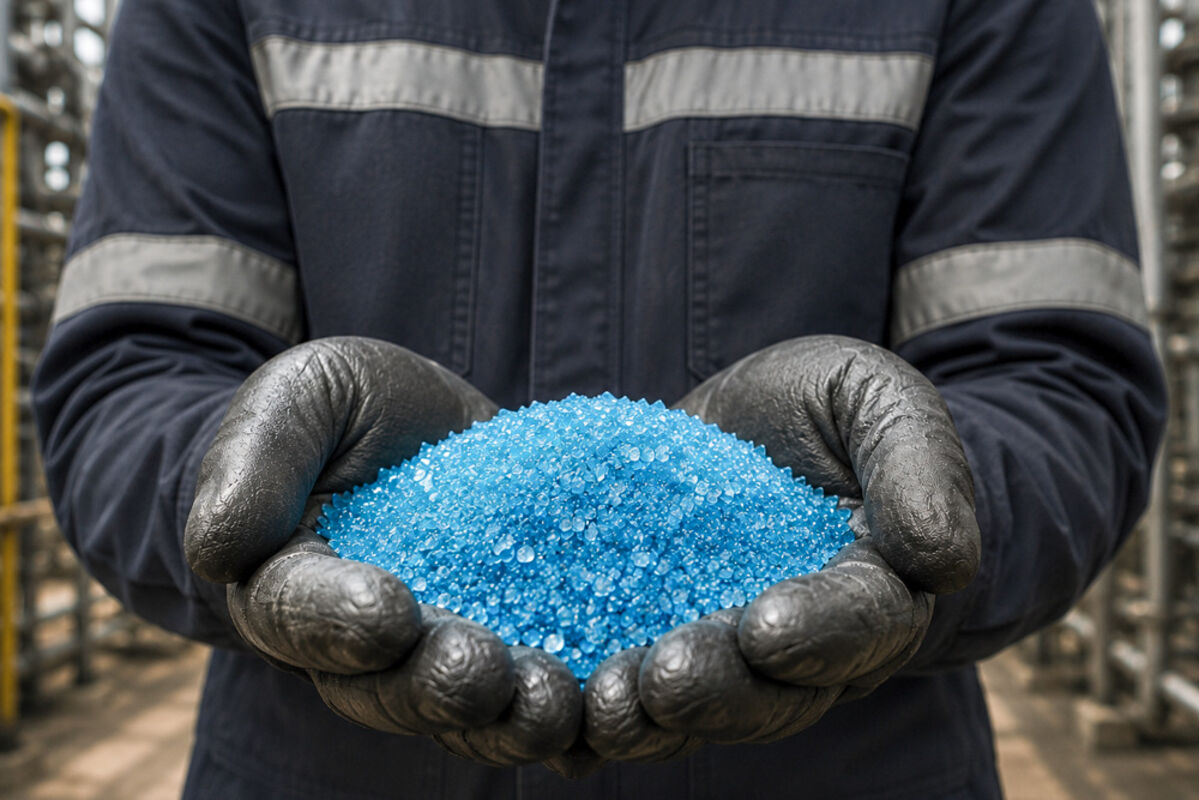
Extending its downstream battery materials platform beyond cobalt, Electra Battery Materials Corp. has engaged engineering consultants to advance a development study for a potential battery-grade nickel refinery in the southeastern United States.
Across North America’s battery supply chain, mines, cell plants, and electric vehicle manufacturing have drawn much of the attention, leaving the refining step between raw material supply and battery-ready inputs as a persistent gap.
That gap is where Electra has positioned its refining platform: a northern Ontario facility designed to produce cobalt sulfate used in some lithium-ion battery chemistries to help improve energy density, stability, and performance in cathode materials.
Once commissioned, the refinery is slated to become the only facility of its kind in North America and one of the few major sources of refined cobalt outside China.
With the cobalt refinery remaining the company’s primary development priority, Electra is now using the experience gained from its development to evaluate a second refining pathway in nickel.
Refined into forms used across batteries and industrial supply chains, nickel can serve both as nickel sulfate for lithium-ion battery cathode materials and as nickel metal for defense, energy, stainless steel, superalloy, and advanced manufacturing uses.
Together, those uses place nickel in the same midstream processing gap that has made cobalt refining a focus of Electra’s broader downstream strategy.
“As we approach a key construction milestone on our cobalt sulfate refinery, we are also advancing our longer-term pipeline of critical minerals processing assets,” said Electra CEO Trent Mell. “The expertise our team has developed through the design and construction of our North American cobalt sulfate refinery provides a strong foundation as we evaluate nickel refining opportunities.”
Planned around a target production capacity of approximately 15,000 metric tons per year of nickel sulfate and metal, along with 1,000 metric tons per year of cobalt metal, the proposed U.S. refinery is being evaluated as a domestic processing operation using conventional hydrometallurgical refining technologies.
“Nickel is a critical material for defense, energy, and advanced manufacturing. Yet despite its strategic importance, North America remains heavily reliant on offshore refining capacity,” said Mell. “This project directly addresses a supply chain vulnerability that the government has identified as a national security priority and is consistent with federal efforts to establish domestic refining capacity for critical battery materials.”
For site selection, Electra has narrowed its evaluation to a preferred region in the southeastern United States, with the company weighing deep-water port infrastructure, proximity to the battery manufacturing corridor, logistics, workforce, and supply chain partners.
To support that evaluation, Electra has engaged engineering consultants to define capital requirements, operating parameters, development timelines, and the conditions needed for a viable domestic nickel refining operation.
Drawing on prior nickel refinery planning, the latest study builds on 2022 work completed by Electra with Glencore plc, Talon Metals Corp., and the Ontario government that evaluated a battery-grade nickel sulfate refinery using a range of potential feedstocks.
Framed at the time as part of a broader battery materials park concept, the earlier work also contemplated nickel sulfate refining and precursor cathode active material production near Electra’s cobalt refinery and recycling plant.
With that technical foundation in place, the newest evaluation shifts the nickel concept toward a potential U.S. refinery tied to domestic processing capacity, port access, and the southeastern battery manufacturing corridor.
Feedstock planning for the study centers on globally sourced mixed hydroxide precipitate (MHP) and mixed sulfide precipitate (MSP), intermediate nickel products that can be further refined into battery-grade nickel sulfate or metal.
Relying on those intermediate feedstocks would follow Electra’s cobalt refinery strategy by using globally sourced material for near-term development while allowing North American mining and battery recycling supply to supplement the platform over time.
Results from the study will be used to assess the project’s technical and commercial viability and support more detailed engineering work.
Beyond the cobalt refinery and nickel study, Electra is also advancing black mass recycling opportunities to recover critical minerals from end-of-life batteries and holds a significant land package in Idaho’s Cobalt Belt, including its Iron Creek project and surrounding properties.