Close Menu
Metals Weekly
    TRENDING -
    • Exclusive: At the Verbier Festival, between music and titanium, an astonishing virtuoso at the heart of a legal tug of war
    • The Sulfur Bottleneck: How a Global Chokepoint Threatens the Energy Transition
    • Major Critical Minerals Deposit Found in Nevada
    • The Critical Minerals Challenge Is Here
    • Ministry raises alarm over environmental risks in gold mining
    • Namibia President Presses Mining Industry to Deliver Jobs, Drive Investment
    • Trump’s Dept. of War Invests $80M in Mining Education
    • AFRICA/ZIMBABWE – Government task force to tackle illegal mining
    Metals Weekly
    • Home
    • Critical Materials
    • Environment
    • Global Policy
    • Mining
    Metals Weekly
    Home»Critical Materials»Deep-sea molluscs face extinction as countries urge ISA to fast-track mining

    Deep-sea molluscs face extinction as countries urge ISA to fast-track mining

    Critical Materials 3 Mins Read
    Facebook Twitter Pinterest LinkedIn Tumblr Reddit Telegram Email
    Share
    Facebook Twitter LinkedIn Pinterest Email

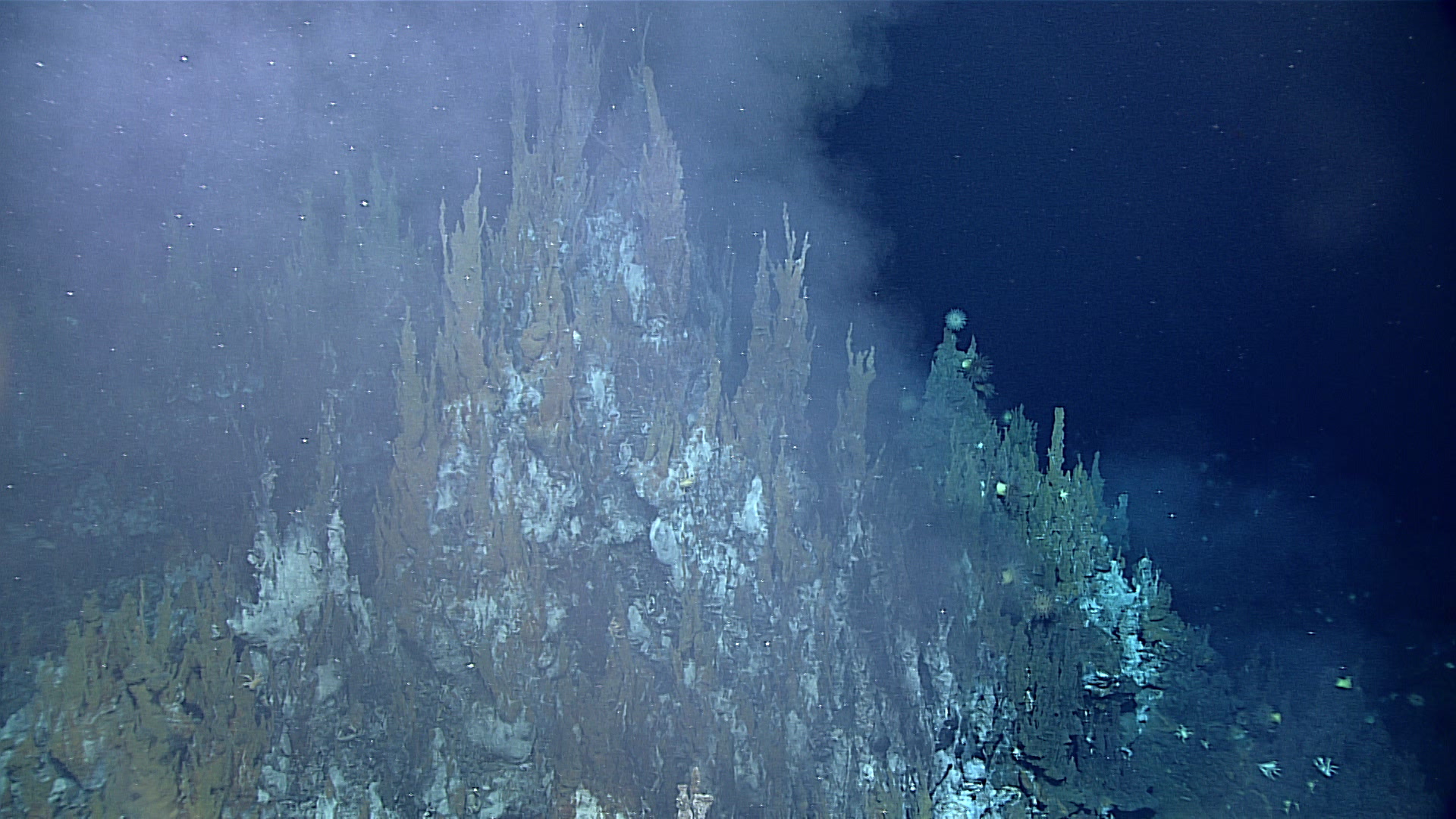
    The natural world has evolved in ingenious and bizarre ways to survive some of the most hostile environments on the planet. Take for instance deep-sea molluscs, which survive in temperatures of up to 450ºC, living on hydrothermal vents some 5000 metres below the surface.

    Many of these molluscs – including snails, limpets, mussels, clams and chitons – were left untouched for millenia, and were in fact only discovered in the past 10 years.

    But, a new global assessment of these species has found that 62% face extinction due to deep-sea mining.

    By filtering toxic chemicals and providing structural habitats, these resilient organisms serve as the foundation for entire deep-sea communities. Their extinction could see the collapse of these fragile, undiscovered ecosystems and permanently erase invaluable biological secrets before we even have a chance to understand them.

    Some deep-sea vent molluscs have already proven to hold value for human technology. The scaly-foot snail has developed a biomineralisation process ​that is helping researchers ​produce nanoparticles for new ⁠technologies like solar cells. Others are being studied to help develop alternatives to plastics.

    Exploration of the seabed and the extraction of minerals create sediment plumes that smother the animals, impacting their ability to breathe and absorb nutrients from the surrounding water.

    For example, Lirapex felix – a snail named for the researchers’ luck in finding it – has today entered the Red List as Critically Endangered due to ongoing mining exploration in the Indian Ocean.

    “This global assessment reveals that molluscs endemic to deep-sea hydrothermal vents are one of the most highly threatened of all animal groups, at a critical moment for their future,” said Professor Julia Sigwart at Senckenberg Nature Research, the IUCN Red List Partner who coordinated these assessments.

    The assessment also highlighted the value of marine protected areas: over 30 within these designated protected zones listed as ‘Least Concern’. For instance, the Provanna exquisita, an ornate snail that lives only in the Mariana Arc of Fire National Wildlife Refuge in the Pacific Ocean.

    The news comes against the backdrop of the looming 31st International Seabed Authority’s Session, set to take place from 13-31 July. Industry pressure is currently mounting to fast-track mining the ocean floor, with some countries, like the US, taking on independent steps using their domestic laws to enable this.

    “As pressures on biodiversity mount across the planet, even the creatures with the most ingenious survival strategies are under threat,” said Dr Grethel Aguilar, IUCN Director General.

    “But let us not forget there is a clear path out of the biodiversity crisis: nature conservation works, as we are reminded again and again. By protecting the astounding range of biodiversity on this planet, we can preserve a welcoming environment for humans and wildlife alike,” he added.

    By – https://oceanographicmagazine.com/news/deep-sea-molluscs-face-extinction-as-countries-urge-isa-to-fast-track-mining/

    Share. Facebook Twitter Pinterest LinkedIn Tumblr Email

    Related Posts

    Major Critical Minerals Deposit Found in Nevada

    The Critical Minerals Challenge Is Here

    Trump announces $180M in grants to boost American mining amid push for critical minerals

    Don't Miss

    Namibia President Presses Mining Industry to Deliver Jobs, Drive Investment

    Global Policy 4 Mins Read

    Opening the Chamber of Mines expo in Windhoek, President Netumbo Nandi-Ndaitwah urged mining firms to…

    AFRICA/ZIMBABWE – Government task force to tackle illegal mining

    Sudan prime minister urges urgent action to curb gold mining environmental damage

    Asteroid metals worth billions: The reality behind the next space rush

    Top Stories

    Missouri S&T part of $100 million federal investment in mining education

    The Unlikely Metal Powering AI: Why Tungsten Matters More Than Ever

    Mexico Seeks Deal to End Vulcan Limestone Mining for Good

    Uranium mining grows as Trump seeks to feed a nuclear boom

    Our Picks

    Zambians pay price amid Copperbelt mining boom

    Zambia says privacy, minerals concerns stall US health aid deal

    Zambia mine regulator lifts suspension of operations at Mopani’s Mufulira mine

    Don't Miss

    Dramatic expansion of coal mine could jeopardize Alabama endangered species

    More than 200 killed in mine collapse in DR Congo

    Forest Service releases Final Environmental Impact Statement for Hermosa Mine Project near Patagonia

    Weekly Newsletter

    Subscribe to our weekly Newsletter to keep up to date on the latest news in the metals, minerals and mining industry

    Copyright © 2025 - Metals Weekly. All Rights Reserved.

    Type above and press Enter to search. Press Esc to cancel.