Close Menu
Metals Weekly
    TRENDING -
    • Dominican Republic has over 150 million tons of rare earth deposits, president says
    • Public-Private Collaboration Crucial for Critical Minerals Security
    • US mining company Alcoa hit with ‘unprecedented’ $55m penalty for illegal clearing of WA jarrah forests
    • India, Canada ink pacts on critical minerals, uranium ore; eye free trade deal
    • Salt of the Earth: Vast Underground Salt Caverns Are Preserving Our History—and Just Might Power Our Future
    • Malaysia Extends Australian Mining License But Demands End to Radioactive Waste
    • From Policy to Permit: The Path to Regulatory Clarity in Mexico
    • Montana honors men who died in state’s worst coal mining disaster 83-years ago
    Metals Weekly
    • Home
    • Critical Materials
    • Environment
    • Global Policy
    • Mining
    Metals Weekly
    Home»Environment»Glacier Law celebrates 15 years of environmental protection threatened by pressures from mining activity

    Glacier Law celebrates 15 years of environmental protection threatened by pressures from mining activity

    Environment 3 Mins Read
    Facebook Twitter Pinterest LinkedIn Tumblr Reddit Telegram Email
    Glacier Law celebrates 15 years of environmental protection threatened by pressures from mining activity
    Share
    Facebook Twitter LinkedIn Pinterest Email

    Specialists and assembly members warn about attempts to modify the environmental protection law for Argentina’s strategic water reserves, while denouncing systematic non-compliance and pressure from extractive corporations.

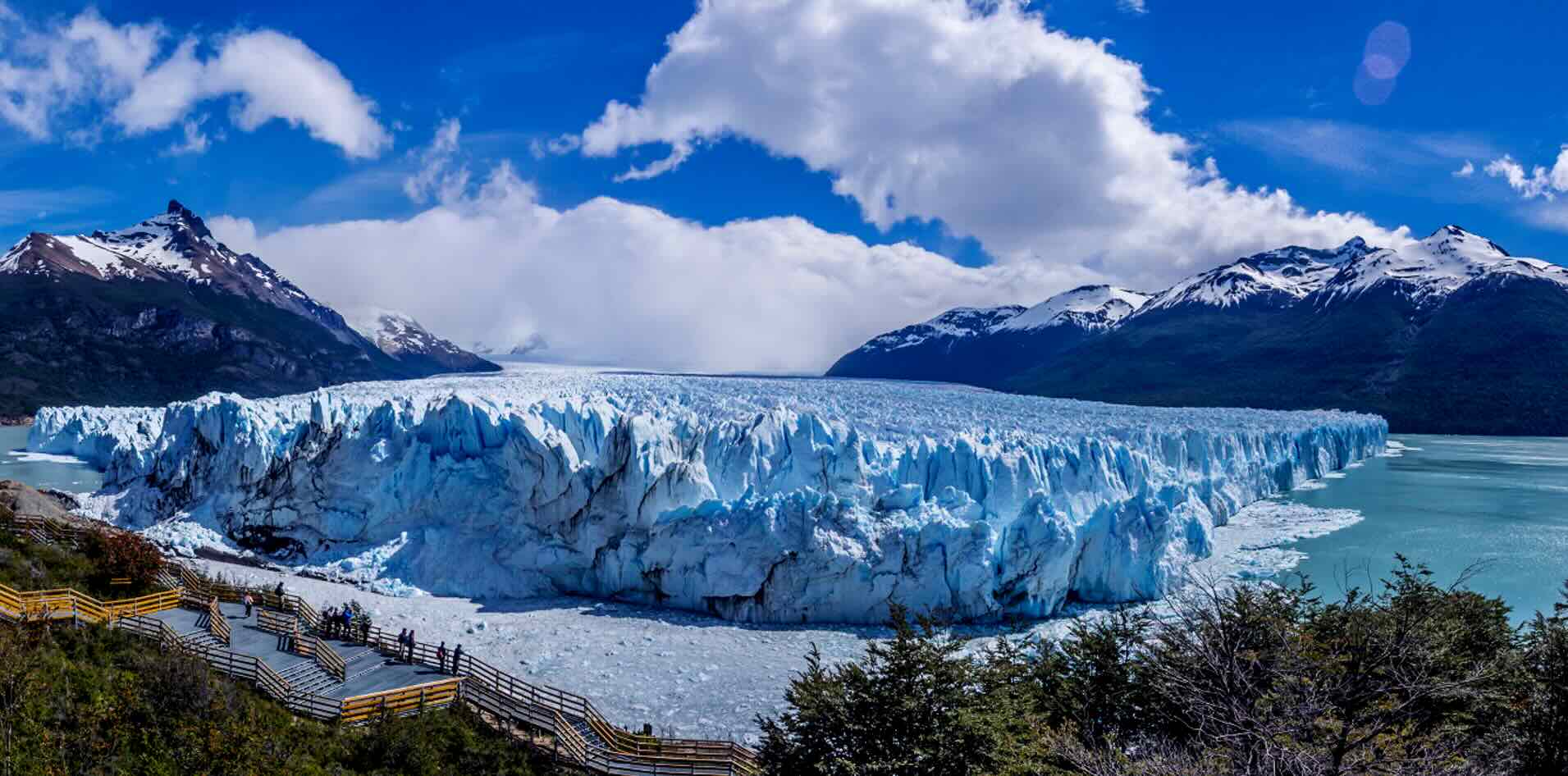
    15 years after its final approval, the Glaciers Law (26.639) faces new challenges in a context of accelerated climate crisis and strong pressure from the mining sector to relax its environmental protections.

    In a conversation with historical participants of this struggle, it was revealed that an advanced draft identical to the one leaked in 2017 exists, aiming to eliminate the protection of the periglacial environment, crucial for the water supply of mountain communities.

    The law, approved in 2010 after a presidential veto in 2008, is considered unique in the world for its exclusive dedication to glacier protection. “It is a law of which we must be proud. Because it is unique in the world. It was the first law for the protection of glaciers,” highlighted Adostina Rosicera, biodiversity specialist at Greenpeace.

    A law born from citizen struggle for environmental protection

    The approval of the law represented a democratic milestone that crossed all political blocks. Enrique Viale, president of the Association of Environmental Lawyers, recalled: “It is one of the most democratic laws I remember. These are laws that involve hours and hours of debate in Congress.” The law was achieved thanks to “environmental organizations, assemblies, and communities, to the people,” according to Rosicera.

    The legislative process was intense, with a tight victory in the Senate during a historic early morning. Viale remembered: “It was approved in the early hours, in the Senate. You didn’t know how it was going to end. It ended up winning by two votes.” The mining pressure, led by Barrick Gold, was constant from the beginning, even achieving a presidential veto in 2008.

    Systematic non-compliance and inventory manipulation

    One of the most critical points revealed is the systematic omission of glaciers smaller than one hectare in the National Glacier Inventory, despite the law explicitly protecting all ice bodies “regardless of their shape and/or size.” Saúl Sebayos, member of the Jáchal No Se Toca Assembly, denounced: “There are 1,400 glaciers registered that have disappeared from the inventory.”

    This manipulation had direct consequences. According to Sebayos, “Judge Casanello, when he brought the case to trial, precisely for non-compliance with the glacier law, stated that in that province, referring to San Juan, everything was done wrong.”

    The judicial investigation showed that since late 2013, crucial information could have been published, which was delayed until December 2015.

    Mining projects in conflict with environmental protection

    Participants identified at least 44 mining projects that would violate the law if applied correctly. Among them stand out Los Azules and Vicuña (which combines José María and Filo del Sol), the latter recently announced by Economy Minister Luis Caputo as a beneficiary of the RIGI.

    Pía Marquejiani, Deputy Executive Director of FARN, warned about the regulatory context: “The RIGI has elements that are precisely the most problematic: one is the normative and legal shielding.” She added that there is “a decrease in any State capacity” and “the criminalization of protests.”

    Glacier Law celebrates 15 years of environmental protection threatened by pressures from mining activity

    Share. Facebook Twitter Pinterest LinkedIn Tumblr Email

    Related Posts

    US mining company Alcoa hit with ‘unprecedented’ $55m penalty for illegal clearing of WA jarrah forests

    Malaysia Extends Australian Mining License But Demands End to Radioactive Waste

    From Policy to Permit: The Path to Regulatory Clarity in Mexico

    Don't Miss

    Standard Uranium details drill plans for Rocas uranium project

    Global Policy 2 Mins Read

    Standard Uranium Ltd (TSX-V:STND, OTCQB:STTDF, FRA:9SU0) revealed it has locked in plans for the first-ever…

    Standard Uranium details drill plans for Rocas uranium project

    Canada’s Critical Minerals Push: Meeting the Capital Gap

    West needs its own pricing to escape China’s rare earths grip

    Top Stories

    Precious metals miners well bid as Iran strikes stock safe haven gold demand

    Mining stocks are the new market darlings, fueled by geopolitical risks and AI demand

    U.S. House voted to repeal mining ban near Boundary Waters

    New report raises alarm on massive toxic hazard — here are the details

    Our Picks

    Zambians pay price amid Copperbelt mining boom

    Zambia mine regulator lifts suspension of operations at Mopani’s Mufulira mine

    Zambia dismisses US health warning after toxic spill in copper mining area

    Don't Miss

    Where are The World’s Rare Earth Minerals Located?

    Interlink metals breaks ground on Bahrain Titanium facility, anchoring Gulf’s entry into global titanium supply chain

    U.S. House voted to repeal mining ban near Boundary Waters

    Weekly Newsletter

    Subscribe to our weekly Newsletter to keep up to date on the latest news in the metals, minerals and mining industry

    Copyright © 2025 - Metals Weekly. All Rights Reserved.

    Type above and press Enter to search. Press Esc to cancel.