Close Menu
Metals Weekly
    TRENDING -
    • Rethinking Environmental Clearance for Critical Mineral Mining
    • Malawi government suspends coal miner’s license over river pollution
    • Environmental group sues US Interior for approving rare earth mining in Mojave Desert
    • US companies eye Congo mining assets, including Rubaya, State Dept official says
    • Seabed mining talks show key issues remain unresolved
    • Vancouver-based mining company confirms the deaths of 9 of 10 workers kidnapped in Mexico
    • Senate Republicans send Trump resolution to lift mining ban near Boundary Waters Canoe Area
    • US Senate repeals Biden-era ban on mining near Minnesota wilderness area Measure passes 50-49 to overturn a 20-year ban on mining near renowned Boundary Waters canoe area wilderness
    Metals Weekly
    • Home
    • Critical Materials
    • Environment
    • Global Policy
    • Mining
    Metals Weekly
    Home»Environment»Researchers find gaps in environmental impact assessments of mining projects

    Researchers find gaps in environmental impact assessments of mining projects

    Environment 3 Mins Read
    Facebook Twitter Pinterest LinkedIn Tumblr Reddit Telegram Email
    gaps in environmental impact assessments of mining projects
    Share
    Facebook Twitter LinkedIn Pinterest Email

    A new report from Dalhousie University shows flaws in the environmental review process for mining operations in Canada, with researchers finding that data for 20 per cent of the projects they reviewed was incomplete or missing entirely from public records.

    The report collected all available environmental impact assessments on mining projects dating back to 1974 – that’s 266 assessments on 227 projects over 50 years. However, researchers ran into problems. Some provinces, such as British Columbia, had a fully digitized and accessible system; the records for other jurisdictions were much harder to access or simply not available.

    Without complete data from environmental assessments, researchers aren’t able to properly judge how a mine is impacting the surrounding community. And regulators can’t establish a baseline for measuring environmental damage.

    “When we’re talking about starting new projects … there are what’s called ‘cumulative effects,’” Dr. Alana Westwood, lead author of the report, said in a recent interview. “Pollution or contamination from a mine can build up over time, reaching dangerous thresholds.

    Passing thresholds can lead to a species dying out, or to serious contamination of groundwater that can leave communities without clean water, she said. “If we don’t have baseline data, we don’t know where we started and we can’t estimate or understand the potential impacts.”

    In one instance, researchers filed an access request with Nova Scotia for environmental assessments done before the year 2000. Nova Scotia started requiring environment assessments in 1989, but prior to 2000 they were done manually.

    “We filed our (freedom of information request), and they told us it would cost $6,000,” says Ben Collison, PhD student at Dalhousie and co-author of the report. “Our lab doesn’t have $6,000 in funding and years to wait for that to happen.”

    Westwood and Collison also found that provincial and federal environmental assessments on the same project didn’t match in two-thirds of the cases they studied. The assessments looked at separate parts of the project or used different terms, making it difficult for researchers to get a full picture of the environmental risks of the mine.

    Canadian mining is a big industry, accounting for about six per cent of the country’s economy. But mining also leaves a big footprint. The report shows there could be more than 10,000 abandoned mines across the country, continuing to pollute the environment with no oversight.

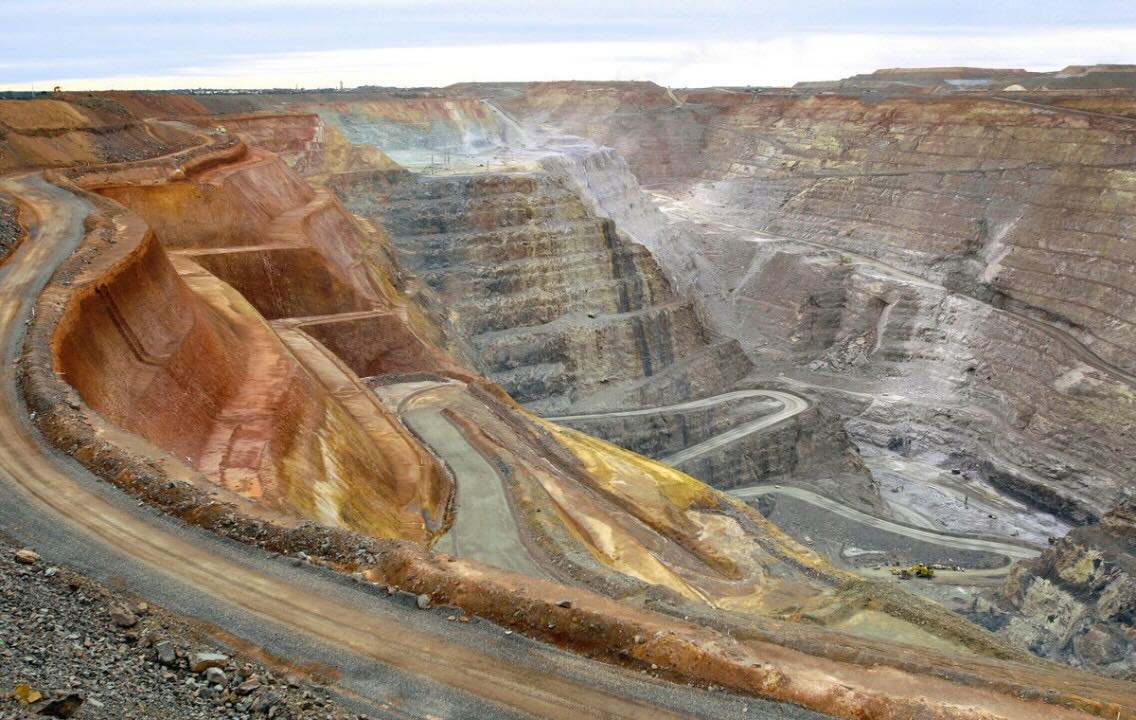
    Several operational mines run at a huge scale. The Star-Orion Diamond Project in Saskatchewan, for example, is more than 850 times the size of the Rogers Centre in Toronto. The entire mine is roughly the size of the city of Camrose, Alta.

    Westwood says environmental assessments are invaluable tools for mining projects, but the current system is not being used effectively. Collison, meanwhile, says the provinces and the federal government should be better aligned on what elements of a project are to be studied and on what work should be carried out.

    However, Collison says governments should ensure they aren’t watering down regulations when provincial and federal analyses are fast-tracked or streamlined. “If that’s the case, I think we risk making decisions that are not well-informed by evidence.”

    Westwood and Collison have made their report publicly available and searchable. They say they hope that by doing so they can encourage provinces to work together on improving environmental assessments.

    Researchers find gaps in environmental impact assessments of mining projects

    Share. Facebook Twitter Pinterest LinkedIn Tumblr Email

    Related Posts

    Malawi government suspends coal miner’s license over river pollution

    Senate Republicans send Trump resolution to lift mining ban near Boundary Waters Canoe Area

    US Senate repeals Biden-era ban on mining near Minnesota wilderness area Measure passes 50-49 to overturn a 20-year ban on mining near renowned Boundary Waters canoe area wilderness

    Don't Miss

    US companies eye Congo mining assets, including Rubaya, State Dept official says

    Global Policy 3 Mins Read

    U.S. companies are showing “significant” interest in Democratic Republic of Congo mining assets, including the…

    Seabed mining talks show key issues remain unresolved

    Vancouver-based mining company confirms the deaths of 9 of 10 workers kidnapped in Mexico

    Chile sets quarterly record in environmental permitting with mining projects totaling US$17.3bn

    Top Stories

    Rethinking Environmental Clearance for Critical Mineral Mining

    Chile, US to Sign Agreements on Mining and Security

    As Zambia Pushes New Mining, a Legacy of Pollution Looms

    Fluorspar mining put Crittenden County on the map 100 years ago. Its importance to AI tech is driving interest in the area again

    Our Picks

    Zambians pay price amid Copperbelt mining boom

    Zambia mine regulator lifts suspension of operations at Mopani’s Mufulira mine

    Zambia dismisses US health warning after toxic spill in copper mining area

    Don't Miss

    Cornish Tin Code Sustainability Framework for Responsible Mining Operations

    US Department of Energy launches Mine of the Future initiatives to bolster the US mining industry

    What the Albanese government did on the environment amid the Liberals’ turmoil: threatened species, a new coal project and carbon leakage

    Weekly Newsletter

    Subscribe to our weekly Newsletter to keep up to date on the latest news in the metals, minerals and mining industry

    Copyright © 2025 - Metals Weekly. All Rights Reserved.

    Type above and press Enter to search. Press Esc to cancel.