

Kenya’s Cabinet Secretary for Mining and Blue Economy has announced that the mining ministry has issued a “notice of intention” to award the tender for the development of the Mrima Hill mining project to U.S.-based mining consortium Frontier Minerals. Mrima Hill is thought to be rich in critical minerals sought after by electronics, aerospace and energy industries,
“The choice of an American consortium reflects a commitment from the Kenyan government to develop their mining sector in a transparent manner that will bring market-leading innovation to Kenya, ensure local value addition, and create jobs and economic benefits [for the U.S. and Kenya],” said the U.S. State Department in a statement.
The U.S.’s interest in Kenya’s critical minerals is part of Washington’s effort to diversify supply chains and reduce dependence on China, which dominates the critical minerals market.
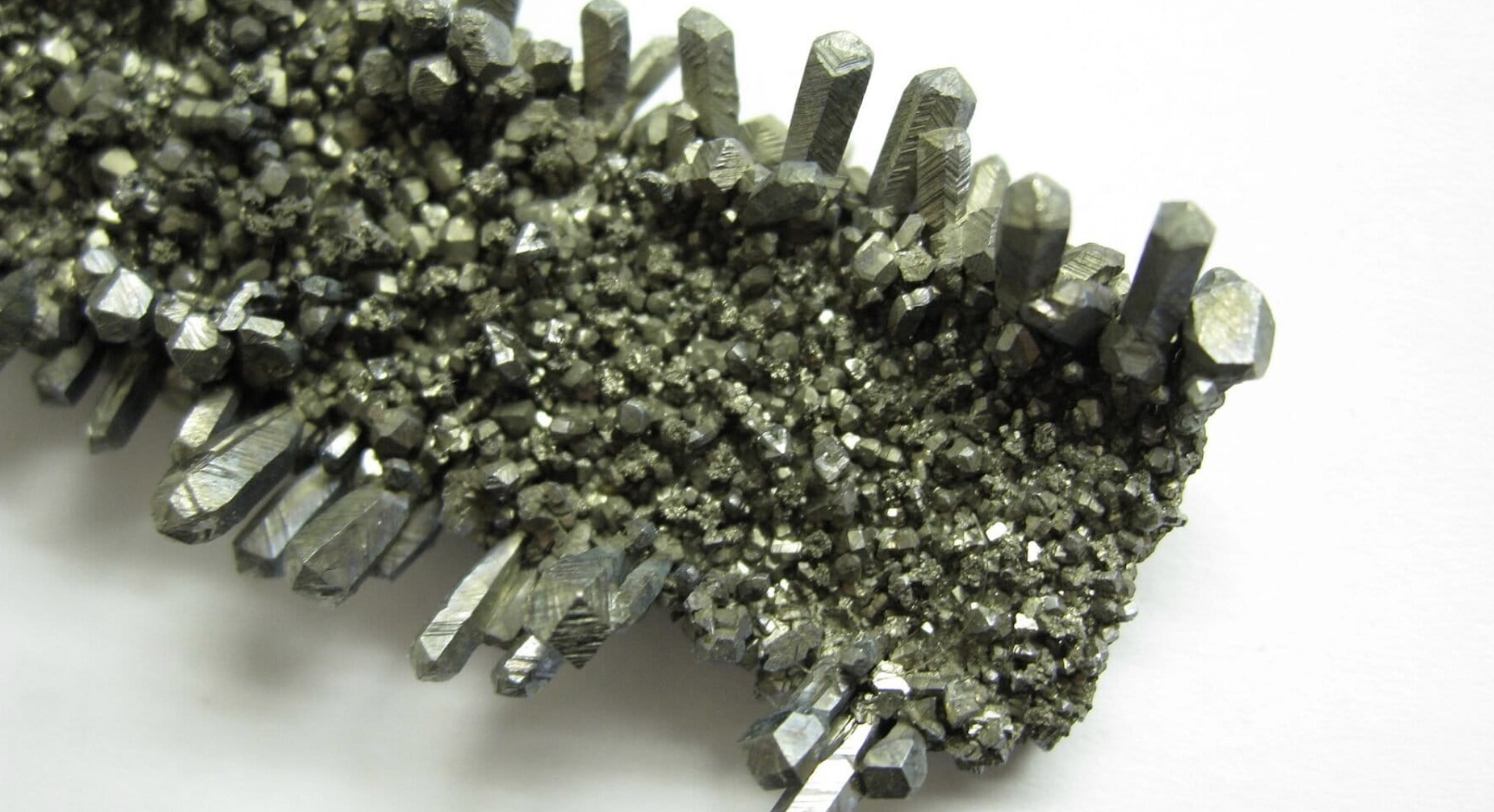
According to Kenya’s Ministry of Mining, Mrima Hill holds at least 5.8 million tons of material that may contain niobium pentoxide, which is used to make niobium, a critical element used in electronics, the aerospace industry and energy storage. Two-thirds of the world’s niobium reserves are currently held by Brazil; the remaining third are mostly held by China. The region is also potentially home to millions of metric tons of rare earth elements (REEs), which are key components in the manufacture of batteries, magnets, mobile phones and cars.
While in its statement, the U.S. State Department emphasized transparency in the mining sector, Kenyan civil society organizations raised concerns that the process has not fully included local communities. According to Kenya’s Ministry of Mining, a company must first obtain the consent of local communities before it can secure a mining license. However, in June 2026, the Centre for Litigation Trust (CLT) filed a petition with the High Court in Kwale County, southern Kenya, where the mining concession is located, alleging the agreement process in Mrima Hill “has been shrouded in secrecy and undertaken without public participation.”
CLT is seeking to suspend the agreement until local communities are fully involved in the negotiations.
Environmental impacts are another concern. Mrima Hill is located about 65 kilometers (40 miles) south of Mombasa, Kenya’s second-largest city and a major tourist destination on the Indian Ocean coast. Mrima Hill is also part of the Eastern African coastal forests ecoregion. It’s home to numerous bird species, including near-threatened Fischer’s turaco (Tauraco fischeri) and the vulnerable spotted ground thrush (Geokichla guttata).
According to the Kenya-based environmental organization Nature Kenya: “Exploration activities have already disturbed the habitat through excavation pits, vegetation clearance, and increased human activity in sensitive forest areas. Large-scale mining would accelerate forest degradation, habitat fragmentation, soil erosion, and water pollution, while also threatening the sacred Kaya sites of the local Digo community.”
US gains foothold in race for Africa’s critical minerals in Kenya’s Mrima Hill project