Close Menu
Metals Weekly
    TRENDING -
    • Chile sets quarterly record in environmental permitting with mining projects totaling US$17.3bn
    • Peru election highlights lack of plans to tackle illegal mining despite growing environmental crisis
    • How China’s Sulphuric Acid Ban Impacts Mining Operations
    • Over 300 acres of Arkansas national forest eyed for quartz mining
    • Pogo at 20: Looks ahead to golden future
    • Indonesia’s Reefs Face Increased Threat From Mining
    • Venezuela hopes to lure back international miners, but it’s a risky business
    • Namibia Critical Metals hires veteran rare earths specialist for Lofdal development
    Metals Weekly
    • Home
    • Critical Materials
    • Environment
    • Global Policy
    • Mining
    Metals Weekly
    Home»Headline News»Gold and silver prices help turn Olympic medals into the most valuable in modern games’ history

    Gold and silver prices help turn Olympic medals into the most valuable in modern games’ history

    Headline News 2 Mins Read
    Facebook Twitter Pinterest LinkedIn Tumblr Reddit Telegram Email
    Gold and silver prices help turn Olympic medals into the most valuable in modern games’ history
    Share
    Facebook Twitter LinkedIn Pinterest Email

    It isn’t solid gold — but it’s never been worth more.

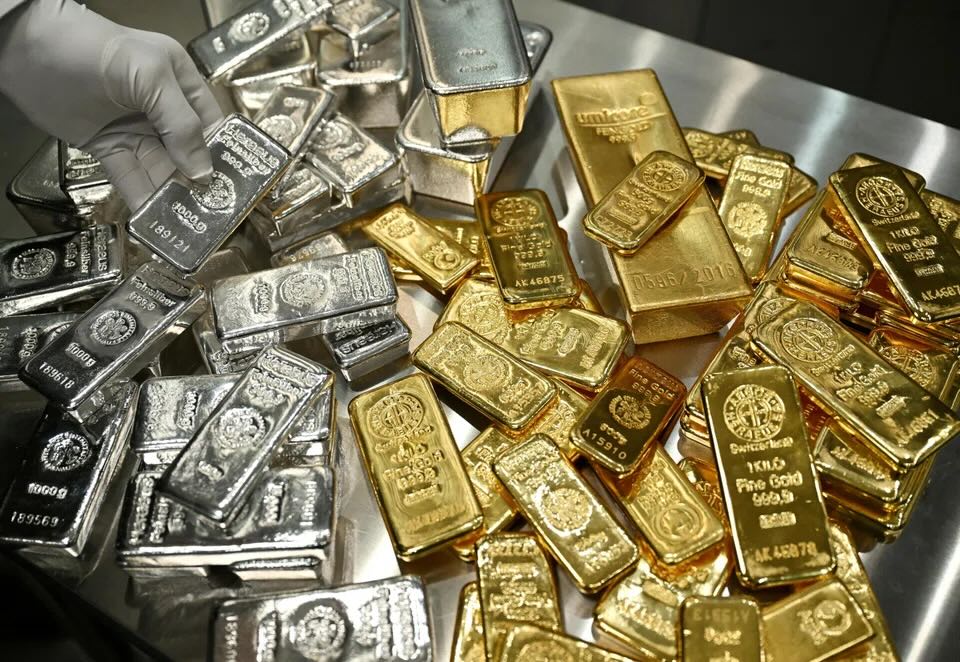
    Athletes stepping onto the Winter Olympic podium in Italy this month are being draped in the most valuable medals in the Games’ modern history thanks to near record-high precious metal prices.

    Since the Paris Summer Olympics started on July 26, 2024, spot gold prices have jumped roughly 110% to about $5,000 per ounce, while spot silver has surged about 180% hovering near $78 an ounce, according to FactSet data.

    At current prices, the intrinsic or “melt value” of an Olympic gold medal — value based solely on the metals it contains — is roughly $2,300 to $2,500. Silver medals now carry a raw metal value of about $1,400.

    Each gold medal handed out at this Olympics weighs in at about 506 grams, roughly 17.5 ounces, but only six grams of that total is pure gold.

    Surprisingly, despite the name, Olympic gold medals are mostly silver. There hasn’t been a solid gold medal since the 1912 Stockholm Summer Olympics.

    Under current International Olympic Committee guidelines, gold medals must consist of at least 92.5% silver and include a minimum of six grams of gold plating. Those six grams — about 0.2 ounces — are worth just over $1,000. The remaining silver core adds roughly $1,300 or more, depending on daily market swings.

    Silver medals have about 500 grams of silver. Bronze medals, made primarily of copper and weighing in roughly 420 grams, carry only minimal intrinsic value at current commodity prices, worth just $5 to $6 in metal value.

    Precious metal prices have climbed sharply over the past year as investors have poured money into traditional safe havens amid geopolitical instability, inflation concerns and ongoing economic uncertainty.

    “The fundamentals and the tailwinds of this debasement trade are still in place, and the global central banks all over the world are acquirers of gold for the first time in many years,” Joe Terranova, a CNBC contributor and senior managing director for Virtus Investment Partners, said on CNBC’s Halftime Report Thursday. “You want to have some ownership.”

    Even with bouts of volatility — including recent pullbacks over fears precious medal prices had overshot fundamentals — bullion remains near historic highs.

    “The sell off [of precious metals] was attributable to excessive speculation,” Terranova said. “I don’t think it was attributable to any form of the shift in the fundamentals.”

    Just this week, precious metals prices stabilized from that slip as investors assessed U.S.-Iran tensions and a drop in U.S. jobless claims that pointed to labor-market stability ahead of inflation data later this week.

    Share. Facebook Twitter Pinterest LinkedIn Tumblr Email

    Related Posts

    Peru election highlights lack of plans to tackle illegal mining despite growing environmental crisis

    How China’s Sulphuric Acid Ban Impacts Mining Operations

    Venezuela hopes to lure back international miners, but it’s a risky business

    Don't Miss

    Chile sets quarterly record in environmental permitting with mining projects totaling US$17.3bn

    Global Policy 3 Mins Read

    Three mining projects worth US$17.32 billion (bn) entered Chile’s environmental evaluation system during the first…

    Pogo at 20: Looks ahead to golden future

    Water crisis in Capirona due to illegal mining in the Ecuadorian Amazon

    From digging coal to selling noodles? China’s mining workers face change

    Top Stories

    As Zambia Pushes New Mining, a Legacy of Pollution Looms

    Fluorspar mining put Crittenden County on the map 100 years ago. Its importance to AI tech is driving interest in the area again

    Copper price resumes losses as Iran war continues to batter metals

    One of Alaska’s flagship mines soon could draw energy from the sun

    Our Picks

    Zambians pay price amid Copperbelt mining boom

    Zambia mine regulator lifts suspension of operations at Mopani’s Mufulira mine

    Zambia dismisses US health warning after toxic spill in copper mining area

    Don't Miss

    US imposes sanctions on Congo armed group, mining firms over illicit minerals

    Europe is the biggest loser in US-China rare earth wars

    Welsbach Announces Business Combination with Evolution Metals

    Weekly Newsletter

    Subscribe to our weekly Newsletter to keep up to date on the latest news in the metals, minerals and mining industry

    Copyright © 2025 - Metals Weekly. All Rights Reserved.

    Type above and press Enter to search. Press Esc to cancel.