

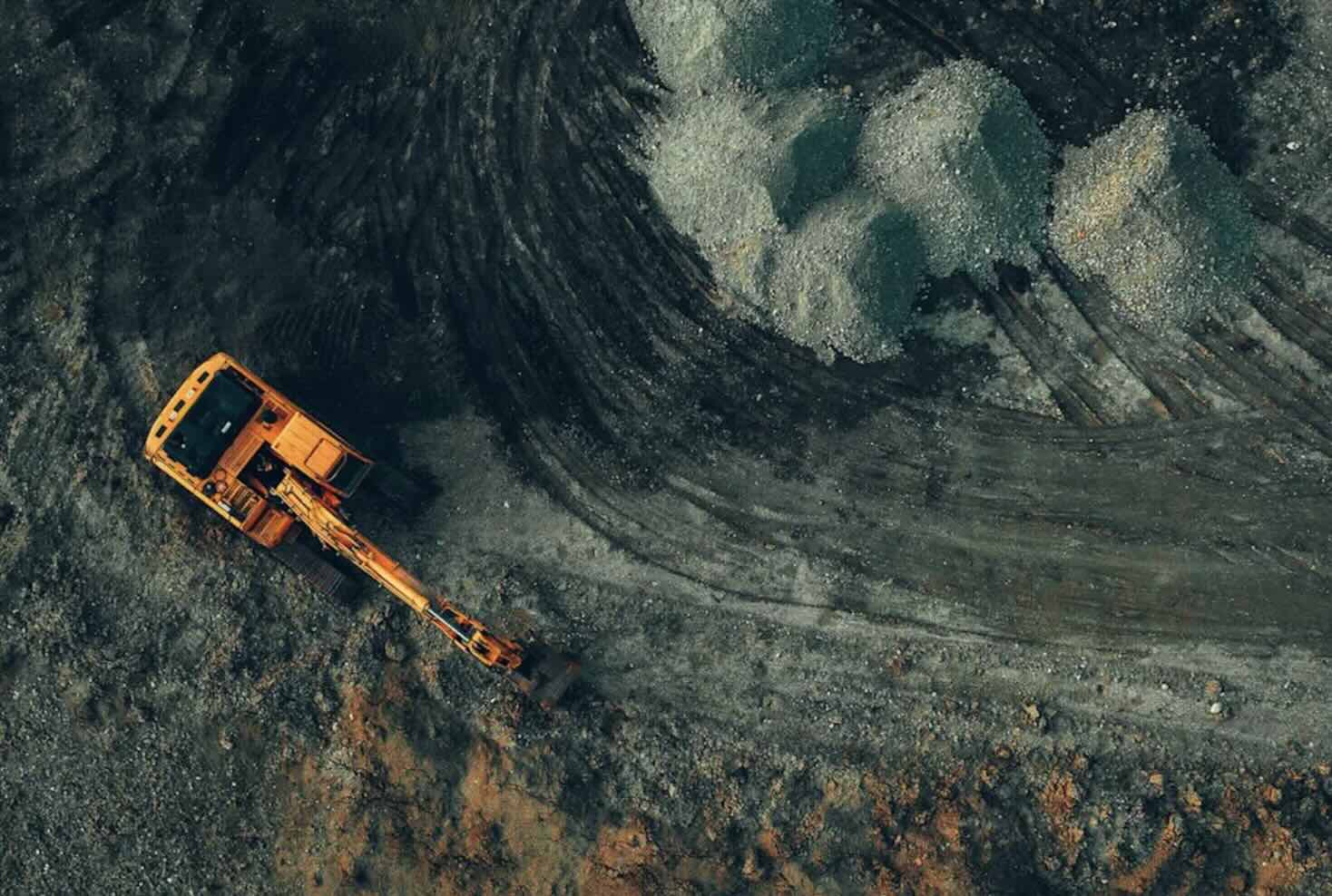
A proposal to ban new mining on New Zealand’s public conservation land has been drawn from Parliament’s ballot, putting one of the country’s most emotional land-use debates back in the spotlight.
At the center of the fight is the question of whether protected land should be reserved for wildlife and public enjoyment, or whether some extraction can still be justified when communities rely on it.
What’s Happening?
RNZ reported that Green Party environment spokesperson Lan Pham introduced a member’s bill to stop new permits for mining, prospecting, and exploration across New Zealand’s 8.5 million hectares of public conservation land.
The bill targets what the Greens describe as a loophole in the Crown Minerals Act that permits mining on protected land even though most other commercial activities face tighter limits, per RNZ. Pham said the legislation would also mean new mining permits must be surrendered if protected wildlife species are discovered within the area covered by the permit, the outlet said.
“Mining gets a special pass,” Pham asserted to RNZ. “This bill is about closing the loophole where mining is treated differently to every other commercial activity on conservation land.”
Why Does It Matter?
For many New Zealanders, conservation land is not an abstract policy issue. It is where families hike, tourists travel, and native species survive. That is especially critical to New Zealand as it faces major threats to many of its communities.
Supporters say once sensitive habitat is disturbed, the public can lose far more than a mineral deposit is worth. Keeping extraction out of protected areas could better safeguard native plants and wildlife while reducing pressure on places set aside for everyone, not just private companies.
What’s Being Done?
By being drawn from Parliament’s ballot, the bill has a chance to force a broader public debate over whether current protections go far enough.
“Conservation land belongs to all of us,” Pham told RNZ. “It is set aside to protect native plants, wildlife and the places New Zealanders love, not to be dug up for private profit.”
Wayne Henry-Scott of the Aggregate and Quarry Association warned the outlet that a broad definition of mining could sweep in quarrying for aggregate and sand, potentially affecting materials used by the Department of Conservation to maintain tracks, roads, car parks, and tourism infrastructure.
If those materials had to be sourced farther away, he said, the result could be higher costs, more traffic, and more pollution. He also told RNZ a full ban could restrict access to pounamu if alluvial gold mining on conservation land is halted.
While those issues will need to be hashed out, Pham insisted that mining’s exemptions deserved a special look.
“You cannot say you value our native species and then keep handing out permits to mine the ground they live on,” Pham concluded to RNZ.
By – https://www.yahoo.com/news/world/articles/bill-ban-mining-zealand-public-190000224.html