Close Menu
Metals Weekly
    TRENDING -
    • Geologists Uncover a Colossal Rare Earth Deposit Beneath European Soil That Could End the Continent’s Dependence on China
    • U.S. invests in project to remove rare earth minerals despite differences with South Africa
    • Argentina approves Milei’s glacier mining bill amid environmental protests
    • Waste Slag From Mining Operations Could Help Store Carbon Emissions
    • War squeezes global mining as diesel and acid supplies tighten
    • Nickel Mining in Ontario, Canada
    • US, EU deepen cooperation on critical minerals with eye to broader agreement
    • Brazil rejects ‘TerraBras’ as US minerals deal stalls
    Metals Weekly
    • Home
    • Critical Materials
    • Environment
    • Global Policy
    • Mining
    Metals Weekly
    Home»Mining»Metals and sulfate in air pollution mixture may contribute most to asthma hospitalizations

    Metals and sulfate in air pollution mixture may contribute most to asthma hospitalizations

    Mining 3 Mins Read
    Facebook Twitter Pinterest LinkedIn Tumblr Reddit Telegram Email
    Metals and sulfate in air pollution mixture may contribute most to asthma hospitalizations
    Share
    Facebook Twitter LinkedIn Pinterest Email

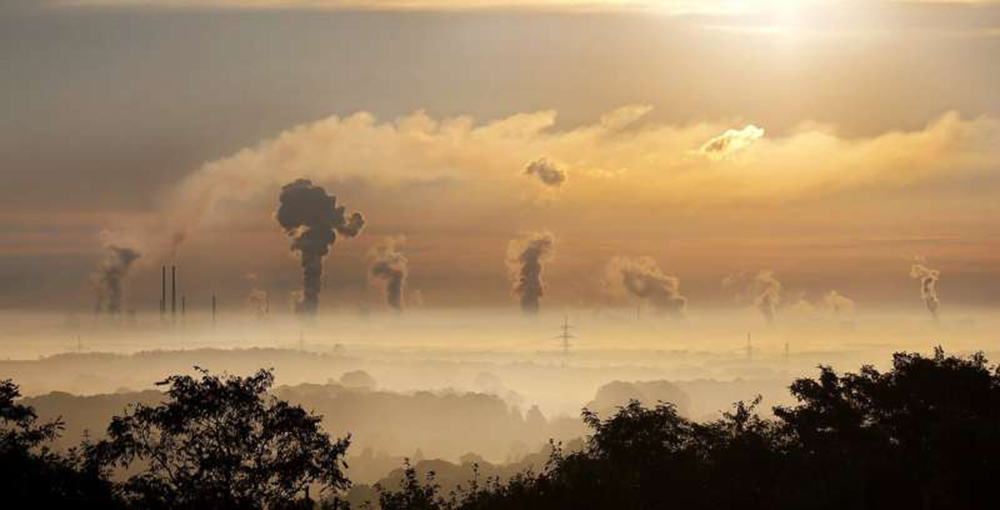
    Metals, particularly nickel and vanadium, and sulfate particles are the components of fine particulate air pollution (PM2.5) that most strongly contribute to the association between long-term exposure to air pollution and hospitalization among asthma sufferers, according to a new study led by Harvard T.H. Chan School of Public Health.

    “We know that PM2.5 increases the risk of asthma attacks and hospitalizations, but those particles are made of many compounds, and we haven’t known which are most harmful,” said corresponding author Joel Schwartz, professor of environmental epidemiology. “Our study teases out which specific compounds in the PM2.5 mixture necessitate the strongest control efforts in order to improve asthma outcomes.”

    The study is published in the American Journal of Respiratory and Critical Care Medicine.

    Most prior studies have examined the relationship between asthma and individual pollutants or PM2.5 as a whole. The researchers took a middle-ground approach for this study, identifying the pollutants composing PM2.5 and investigating their joint impact on asthma exacerbation. They used previous studies and machine learning algorithms to identify bromine, calcium, copper, elemental carbon, iron, potassium, ammonium, nickel, nitrate, organic carbon, lead, silicon, sulfate, vanadium, and zinc as the compounds composing PM2.5’s mixture of metals and organic compounds.

    They used additional machine learning algorithms to produce annual estimates of each compound at a U.S. zip-code level and they used state inpatient databases maintained by the Healthcare Cost and Utilization Project to obtain the total number of asthma hospitalizations that occurred in 11 states between 2002 and 2016.

    Controlling for variables such as outdoor temperature and socioeconomic status among those hospitalized, the researchers used a weighted quantile sum regression, a statistical method that assessed how each compound in the PM2.5 mixture contributed to the 469,005 asthma hospitalizations included in the study.

    The results showed that for each decile increase in the pollutant mixture, asthma hospitalizations increased 10.6% among children and 8% among adults ages 19 to 64. Nickel, vanadium, sulfate, nitrate, bromine, and ammonium contributed the most weight to this association.

    “If we want to reduce asthma hospitalizations, these are the sources that need to be better controlled—which we know how to do,” Schwartz said. “Nickel and vanadium, for example, are produced from burning fuel oil, such as heating oil and heavier oils used by larger buildings. Sulfates come from coal burning. We can put scrubbers on coal combustion plants or replace coal with less polluting fuels, and we can remove metal contaminants from fuel oil.”

    https://medicalxpress.com/news/2025-08-metals-sulfate-air-pollution-mixture.html

    Share. Facebook Twitter Pinterest LinkedIn Tumblr Email

    Related Posts

    Waste Slag From Mining Operations Could Help Store Carbon Emissions

    Nickel Mining in Ontario, Canada

    Minnesota’s DNR statement on federal action to overturn mining ban near the BWCAW

    Don't Miss

    Argentina approves Milei’s glacier mining bill amid environmental protests

    Global Policy 1 Min Read

    Argentina’s congress has approved a bill promoted by the libertarian president, Javier Milei, that authorises…

    War squeezes global mining as diesel and acid supplies tighten

    Kurdistan under threat from energy and mining projects

    Congo launches $100 million US-backed mining guard to secure sites

    Top Stories

    A red flower found nowhere else loses ground as mining expands in Brazil’s Amazon

    New Venezuelan Mining Law Obscures Old Corruption Problems

    Rethinking Environmental Clearance for Critical Mineral Mining

    Chile, US to Sign Agreements on Mining and Security

    Our Picks

    Zambians pay price amid Copperbelt mining boom

    Zambia mine regulator lifts suspension of operations at Mopani’s Mufulira mine

    Zambia dismisses US health warning after toxic spill in copper mining area

    Don't Miss

    Fungi mining and giant waste piles: How to get rare earths without mining rock

    Water pollution in DRC attributed to Chinese mining company

    U.S. House voted to repeal mining ban near Boundary Waters

    Weekly Newsletter

    Subscribe to our weekly Newsletter to keep up to date on the latest news in the metals, minerals and mining industry

    Copyright © 2025 - Metals Weekly. All Rights Reserved.

    Type above and press Enter to search. Press Esc to cancel.