Close Menu
Metals Weekly
    TRENDING -
    • Metals mining in Alaska still a big source of jobs, money and exports, report says
    • The Metals Company NOAA Publishes TMC USA Deep-Sea Mining Application for Public Review
    • US government secures 10% stake in Trilogy Metals
    • Department of Energy visits Penn State to tour facilities, meet mining students
    • Proposed potash, salt mine seeks approval for additional injection wells
    • Ghanaian minister urges mining companies to follow Zijin’s environmental model
    • Why are there so many mining companies in the Southwest with Canadian ties?
    • Gov makes case for Alaska critical minerals
    Metals Weekly
    • Home
    • Critical Materials
    • Environment
    • Global Policy
    • Mining
    Metals Weekly
    Home»Critical Materials»Useful metals get unearthed in U.S. mines, then they’re tossed

    Useful metals get unearthed in U.S. mines, then they’re tossed

    Critical Materials 2 Mins Read
    Facebook Twitter Pinterest LinkedIn Tumblr Reddit Telegram Email
    Useful metals get unearthed in U.S. mines, then they’re tossed
    Share
    Facebook Twitter LinkedIn Pinterest Email

    Recovering just 1 percent of rare earth elements from these by-products could replace imports

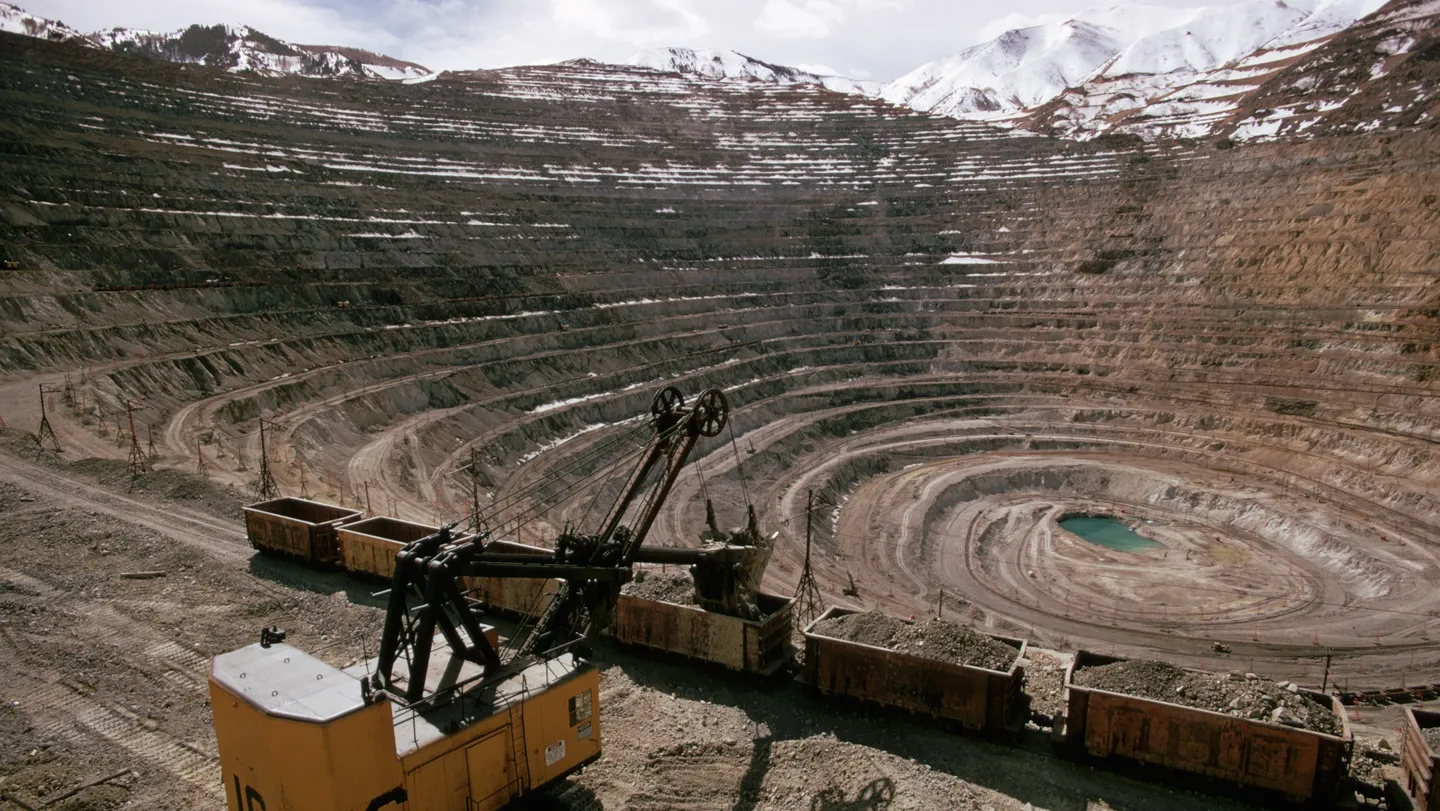
    Many useful metals unearthed from U.S. mines are discarded.

    When mining operations dig for valuable metals, they often exhume ore containing other metals too. These by-product elements are usually treated as waste, but recovering even small fractions could offset the need to import them, researchers report August 21 in Science. For instance, recovering just 1 percent of rare earth elements from this material could replace imports.

    “We’re used to skimming cream off the top,” says Elizabeth Holley, a mining geologist from the Colorado School of Mines in Golden. “We need to be better at recovering more from what we’re using.”

    Ore often contains a medley of minerals and metals, but it’s not always profitable or feasible to extract them all. Some mining operations do recover certain by-product metals alongside their target metals: Platinum-palladium mines in Montana, for example, recover nickel and cobalt. But by-products are often discarded into waste sites, where they become more challenging to extract. Meanwhile, the United States spends hundreds of billions of dollars annually to import them.

    Mining geologists often try to assess the amount of metal in a mineral deposit, but that doesn’t address the rocks already unearthed but not yet discarded, Holley says. The new study “is the first estimate that exclusively focuses on the rock that is already being mined.”

    Holley and her colleagues analyzed production data from permitted mining operations on U.S. federal land as well as data from more than 26,000 ore samples, each analyzed for 70 elements.

    “For many of these elements, we would only have to recover 1 percent — or even less than 1 percent — of what’s currently being mined and processed and then discarded” to replace what we’re importing, Holley says. These include rare earth elements for lights, magnets and batteries; gallium for semiconductors; and tellurium for solar energy and metal alloy production.

    The researchers also found that recovering less than 10 percent of the lithium, cobalt, iron and aluminum in the discarded ores could replace those imports.

    Developing recovery methods would be relatively quick compared with opening new mines, Holley says. “By-product recovery, for many elements, is a low hanging fruit,” she says. “We already have what we need.”

    Useful metals get unearthed in U.S. mines, then they’re tossed

    Share. Facebook Twitter Pinterest LinkedIn Tumblr Email

    Related Posts

    Gov makes case for Alaska critical minerals

    Optimism swirls around massive critical metal deposit near Tisdale, Sask., but locals still have questions

    US awards $500m to seven critical minerals and battery projects

    Don't Miss

    Old mine waste still holds gold and silver, tests show. Peruvian Metals may reprocess it

    Global Policy 4 Mins Read

    Aguila Norte maintains near-continuous full-capacity operations while high-recovery tailings tests suggest potential for future gold-silver…

    US admits defeat in China minerals race. Can Brazil turn panic into processing power?

    Namibia President Presses Mining Industry to Deliver Jobs, Drive Investment

    AFRICA/ZIMBABWE – Government task force to tackle illegal mining

    Top Stories

    The Metals Company NOAA Publishes TMC USA Deep-Sea Mining Application for Public Review

    Weak hydrogen bonds dethrone copper as the most stable metal binder, opening a new path for metal selection

    Singapore police raid iron ore trader Radiant World’s office as probe widens

    Missouri S&T part of $100 million federal investment in mining education

    Our Picks

    Zambians pay price amid Copperbelt mining boom

    Zambia says privacy, minerals concerns stall US health aid deal

    Zambia mine regulator lifts suspension of operations at Mopani’s Mufulira mine

    Don't Miss

    U.S. Mining Deals in the DR Congo Alarm Chinese Industry Analysts

    Klondike first assays show new gold zone

    Department of Energy visits Penn State to tour facilities, meet mining students

    Weekly Newsletter

    Subscribe to our weekly Newsletter to keep up to date on the latest news in the metals, minerals and mining industry

    Copyright © 2025 - Metals Weekly. All Rights Reserved.

    Type above and press Enter to search. Press Esc to cancel.