

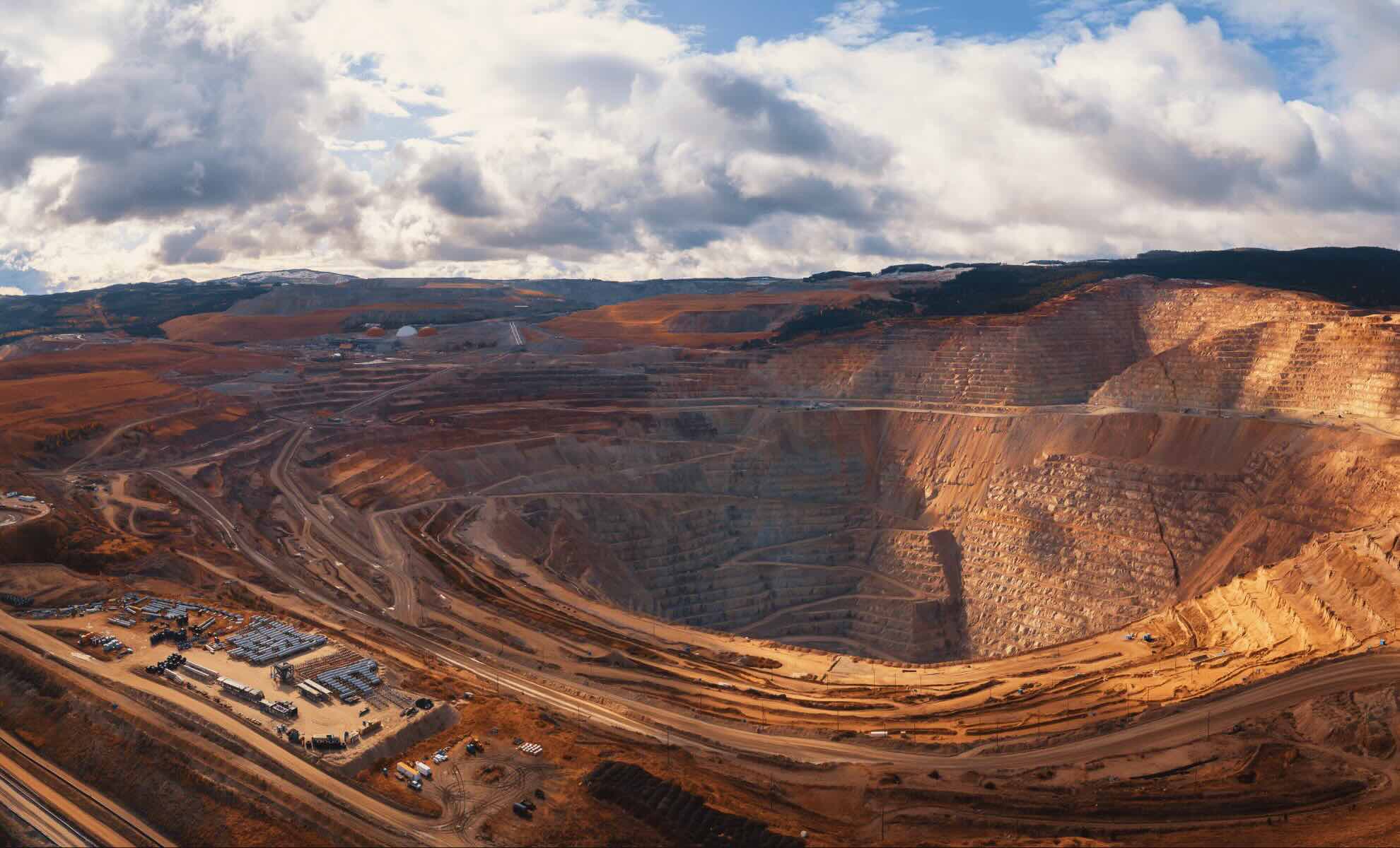
Argentina’s groundbreaking discovery of a massive mineral deposit, worth $337 billion, is set to reshape global mining dynamics.
In a moment that could drastically change South America’s mining landscape, a recent discovery in Argentina has unlocked the largest gold, silver, and copper deposit found in three decades. Valued at around $337billion, this monumental find, nestled in the mountainous region of San Juan Province, presents new opportunities and challenges for the country’s economy. As detailed in the Lundin Mining announcement, the joint venture between BHP and Lundin Mining stands poised to bring this remarkable resource to market. But what does this discovery mean for Argentina, its neighbors, and the global mineral supply chain?
The Scale of the Discovery: A $340 Billion Windfall
South America’s mining potential has long been recognized, but this new discovery in Argentina has set a new benchmark. Geologists have uncovered a staggering combination of over 80 million ounces of precious metals and more than 12 million tons of copper—valued at an eye-popping $337 billion. This deposit is not just the largest of its kind in recent years, but it could also establish Argentina as one of the world’s top exporters of both copper and precious metals.
The deposit’s magnitude is difficult to overstate. To put it in perspective, the combined value of the minerals discovered could alter the entire financial trajectory of Argentina. For a country historically dominated by agricultural exports, this new resource could diversify its economy in ways previously unimagined.
The Impact on Argentina’s Economic Future
For Argentina, the potential for economic transformation is immense. Traditionally known for its agricultural exports, the discovery of these mineral resources could significantly shift the nation’s economic landscape. As Argentina moves toward large-scale copper production, it is expected to position itself as a leading player in the global metals market within the next decade.
The economic ripple effects could reach far beyond mining. Job creation in various sectors—including engineering, logistics, and environmental management—will be significant. The development of this deposit is likely to lead to infrastructure improvements in San Juan Province, where new roads, rail links, and port facilities will support mining operations.
Moreover, this mining boom will likely provide a new revenue stream for the Argentine government, which can use these funds to invest in education, healthcare, and social infrastructure. The discovery could also prompt other countries in the region to reconsider their mining strategies, potentially leading to increased competition.
The Role of BHP and Lundin Mining: A Collaborative Venture
The Vicuña joint venture, a strategic partnership between BHP and Lundin Mining, plays a critical role in unlocking this deposit’s value. Combining BHP’s global infrastructure and technological capabilities with Lundin Mining’s expertise in mineral extraction creates a powerful force for efficient resource development.
Under the leadership of Jack Lundin at Lundin Mining, the project focuses on cutting-edge extraction technologies while ensuring environmental responsibility. The venture’s general manager, Dave Dicaire, emphasizes the commitment to sustainable mining practices. The project seeks to create long-term value, balancing economic growth with environmental stewardship.
This partnership represents a modern approach to resource extraction, where technical know-how and international market access converge to make Argentina’s mining industry a global leader.
Environmental and Social Considerations: Balancing Growth and Responsibility
With great mineral wealth comes great responsibility. As Argentina’s mining industry expands, environmental concerns will naturally take center stage. The extraction of precious metals and copper from the Andean region comes with significant risks to the local ecosystem, including water usage, soil stability, and biodiversity preservation.
The Vicuña joint venture has pledged to incorporate sustainable mining practices, using advanced technologies to minimize the environmental impact. Real-time environmental monitoring systems and automated operations are being introduced to protect fragile ecosystems. However, much more work is needed to ensure that the local environment is preserved while meeting the demands of large-scale extraction.
Moreover, the development of such a large-scale mining operation will affect local communities, particularly indigenous groups whose ancestral lands are in the vicinity. Ongoing, constructive dialogue between mining companies, government officials, and local communities will be critical to ensure that economic benefits are equitably shared and that cultural heritage is respected.
Global Supply Chain Implications: A New Player on the World Stage
The discovery of this massive deposit comes at a time when global demand for copper, especially in industries like electric vehicles and renewable energy, is soaring. As countries around the world push for greener technologies, the need for copper has never been more urgent.
Argentina’s newfound wealth in copper makes it a crucial player in the green energy transition. As one of the largest copper producers in the world, the country could help reduce global reliance on traditional suppliers, such as Chile and Peru, while introducing competitive pricing that benefits industrial consumers. This is particularly relevant for developed nations seeking to ensure the stability of their mineral supply chains amid geopolitical tensions.
Additionally, Argentina’s relatively stable political environment offers an attractive alternative to other regions that have experienced mining disruptions due to instability or resource nationalism. The development of this vast deposit could reshape global supply chains, with Argentina emerging as a strategic supplier in the mineral market.