

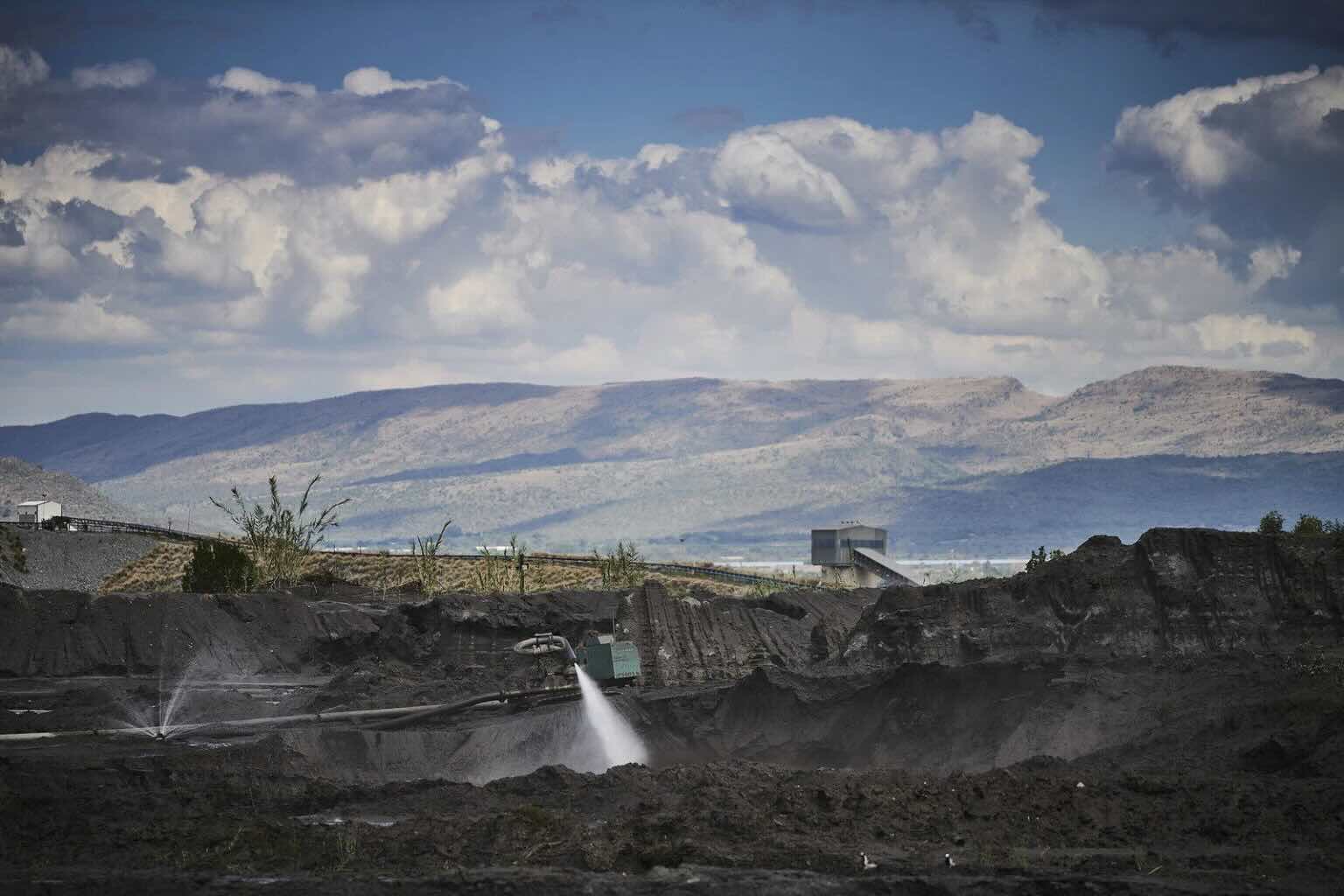
In the backdrop of an effort to increase American energy production and mineral exploration, Montana Republican Sen. Tim Sheehy and Democratic counterpart from Delaware, Sen. Tim Coons, introduced a bill Friday to “unmask” Chinese labor abuses in Africa.
A press release announcing the legislation said it “underscores the cost of reliance on rogue states like China” that supply critical minerals the United States needs. The legislation would essentially create a list of each Chinese entity that uses child labor or causes environmental harm.
If passed, the Secretary of State would be directed to update the list of mining entities controlled by the Chinese government annually for the next five years. That list would then be given to Congressional committees and posted online.
“As we restore American energy dominance and onshore critical mineral production, it is imperative that we expose the reality behind China’s grip on critical minerals: forced labor, child exploitation, and environmental destruction,” Sheehy said in a press release.
“The United States cannot afford to rely on opaque and abusive supply chains for the resources that power our national security, and this bipartisan bill will bring long-overdue transparency and accountability.”
The legislation specifically mentions African countries: Democratic Republic of the Congo, Nigeria, Guinea, Zambia, South Africa and Zimbabwe, though adds “or any other country in Africa” that uses forced labor or causes harm to the environment.
The U.S. imports large amounts of minerals from Africa, including platinum, chromium, and palladium. President Donald Trump — as well as some Montana Congressional candidates, including Aaron Flint — have pushed for greater mineral exploration around the country.
In Montana, the Sibanye-Stillwater mine has been has been at the center of that, after Russian actors manipulated the price of palladium shortly before its war against Ukraine, according to the U.S. Government. That left 700 Montanans without jobs.
Meanwhile, in Libby, federal officials approved a Hecla Mining Company project in the the Cabinet Mountains near Libby, which is said to contain copper and silver. The Democratic Republic of the Congo was the world’s second-largest copper producer in 2025, followed by Peru, China and Russia.
That project has also drawn a lawsuit, saying the U.S. Forest Service wasn’t following its own guidelines regarding water protection laws.
And in the Bitterroot, the Sheep Creek project 40 miles southwest of Darby looked to explore, “gallium, samarium, scandium, neodymium, praseodymium and other economically viable heavy rare earth elements.”
Gallium, which is used in solar cells, among other sensitive electronics (including lasers) is procured almost exclusively in China. China also dominates production of neodymium and praseodymium, which are used in wind turbines, hard drives, audio equipment and magnets.
Those mines have not been met without resistance and with worries about the environmental impact of American mines. Specifically the Sheep Creek project, which drew over 500 people to the Ravalli County Fairgrounds, drew worries about water and longterm impacts of mining. A man who described himself as the sole survivor of a class action lawsuit lawsuit in Libby over asbestos poisoning spoke at that meeting, describing the impacts of mining on the community.
The Ravalli County Commission voted unanimously to oppose the project.
And Montanans don’t have to look further than Butte, Anaconda and the Clark Fork River cleanup to see firsthand the longterm impacts of mining.
Sheehy’s release including several statements from American mining interests, who said they lead the world in environmentally friendly and safe mining.
“When it comes to protecting workers and the environment while responsibly producing the minerals we all need, the American mining industry does it best,” said Mark Compton, the executive director of the American Exploration and Mining Association. “Documenting the practices of overseas operations that are owned or controlled by Chinese Communist Party entities highlights the urgent need to secure our supply chains by emphasizing domestic mineral production.”